suspicion→
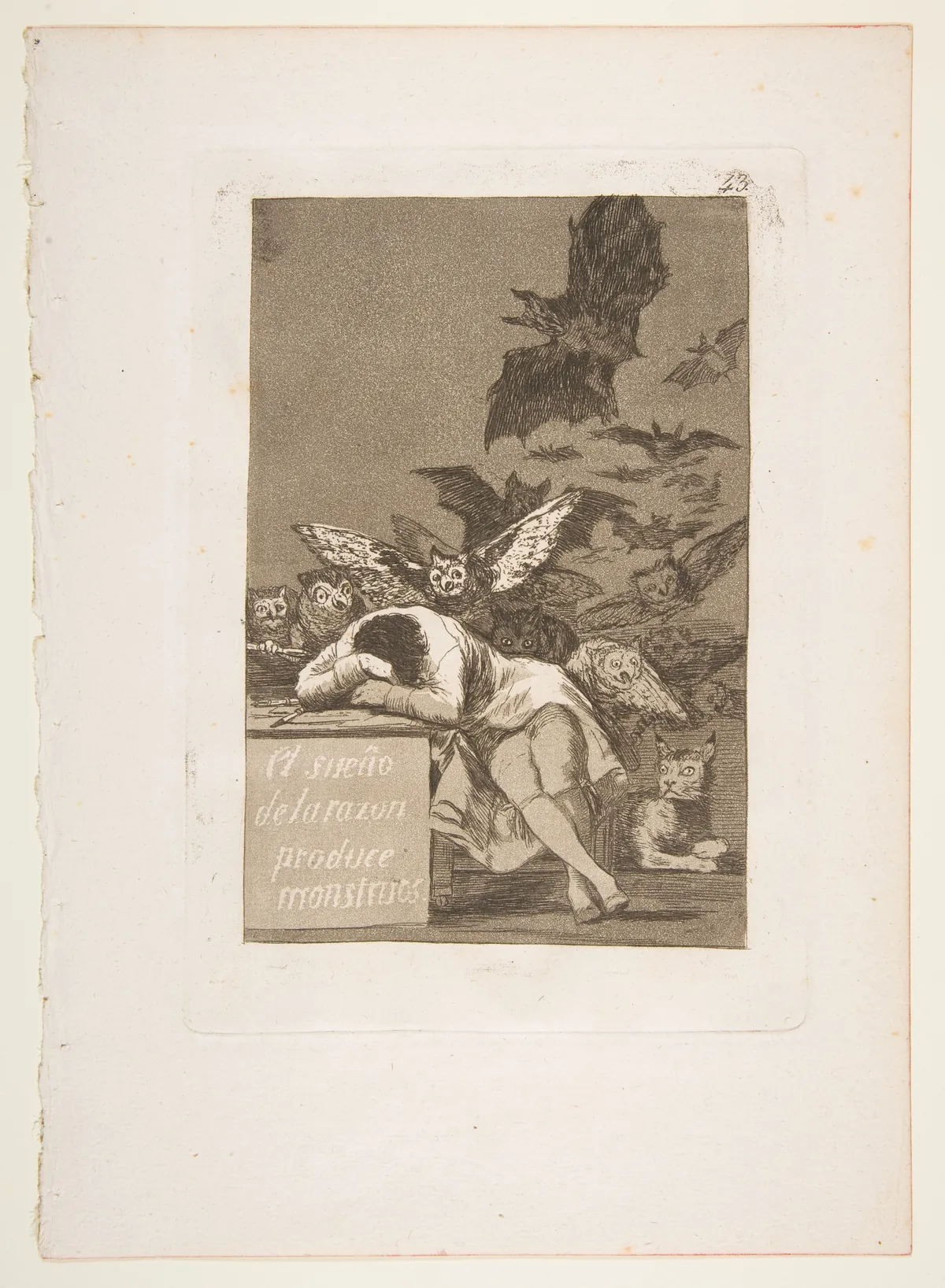
A world is conquered without a shot: convince it the enemy is already inside, and it does the rest.
A short story: an alien scout conquers Earth with four broadcasts that convince humanity the invaders are already inside. Then the recording goes home.
Andrei NavrotskiiPublished by its author3,043 tokens · 21 chunks
Gut feelings and associations, written as a symbolic extract · 104 tokens
A world is conquered without a shot: convince it the enemy is already inside, and it does the rest.
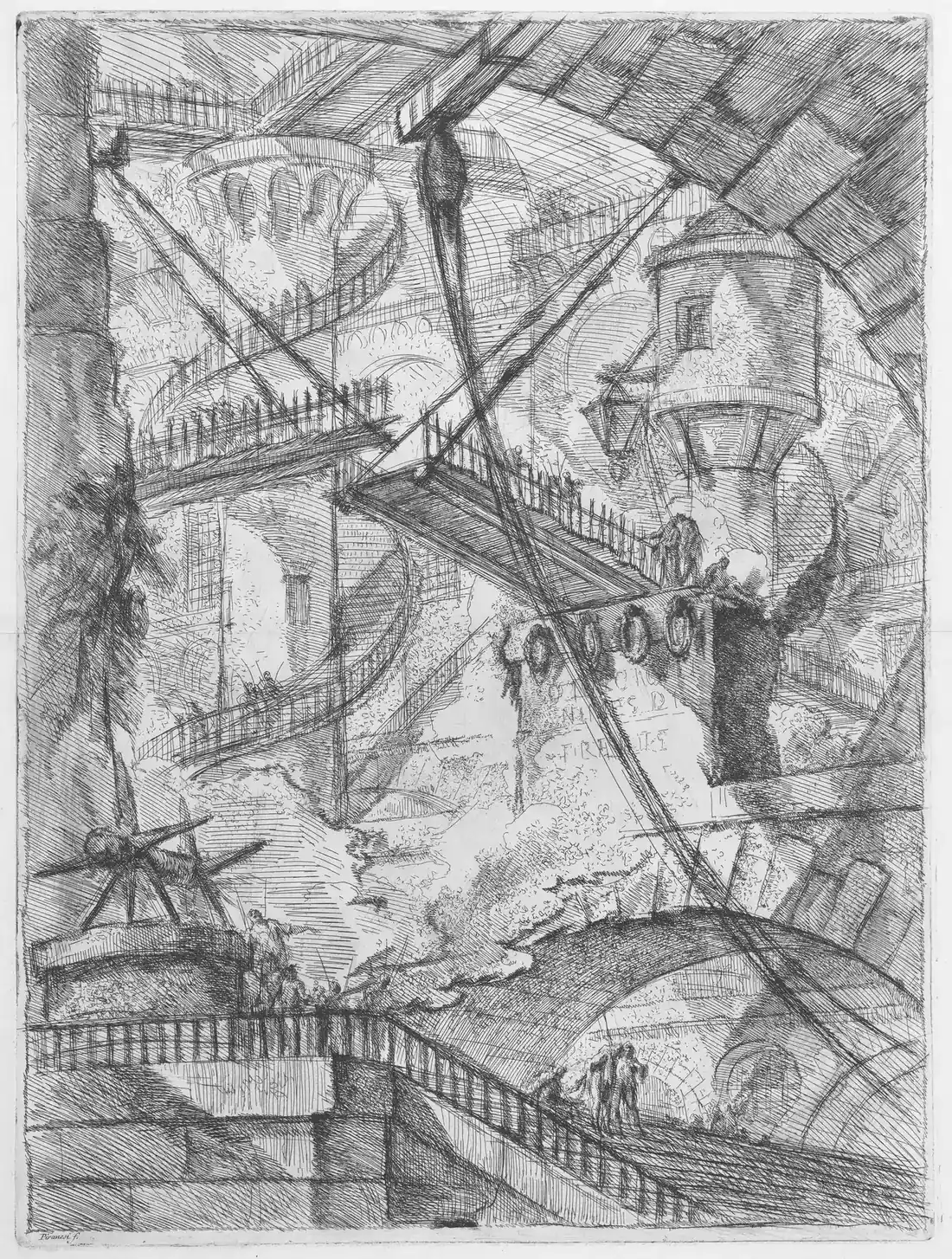
Everyone who hunts infiltrators becomes the thing they hunt: Kostya, Taka, and finally the Council itself.
The cheapest weapon in the story is a broadcast. Four transmissions end a civilization.
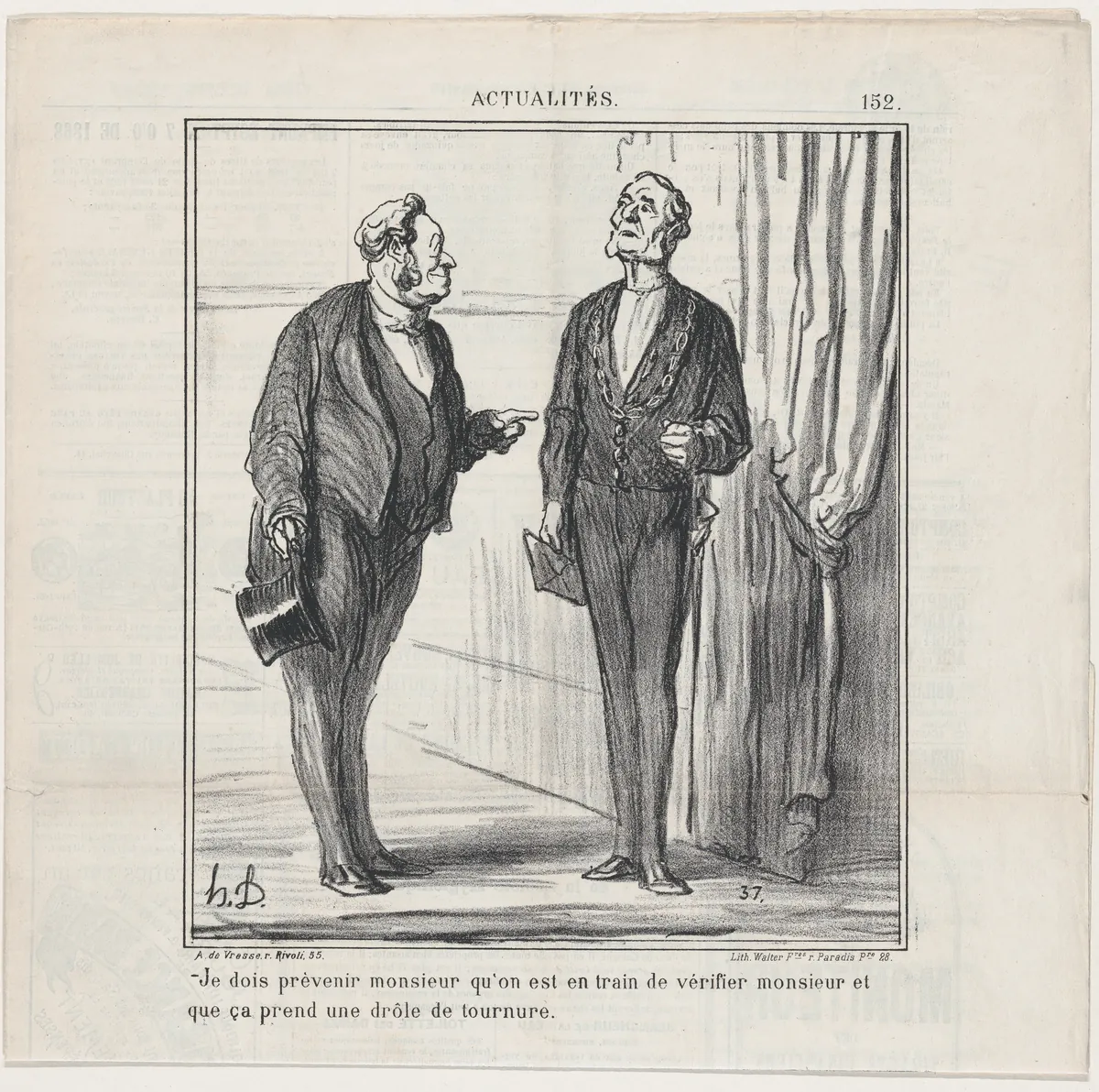
The title reads like a research report. The irony is the point: genocide described as a cost-saving method.
Ideas backed by a direct quote from the source · 258 tokens
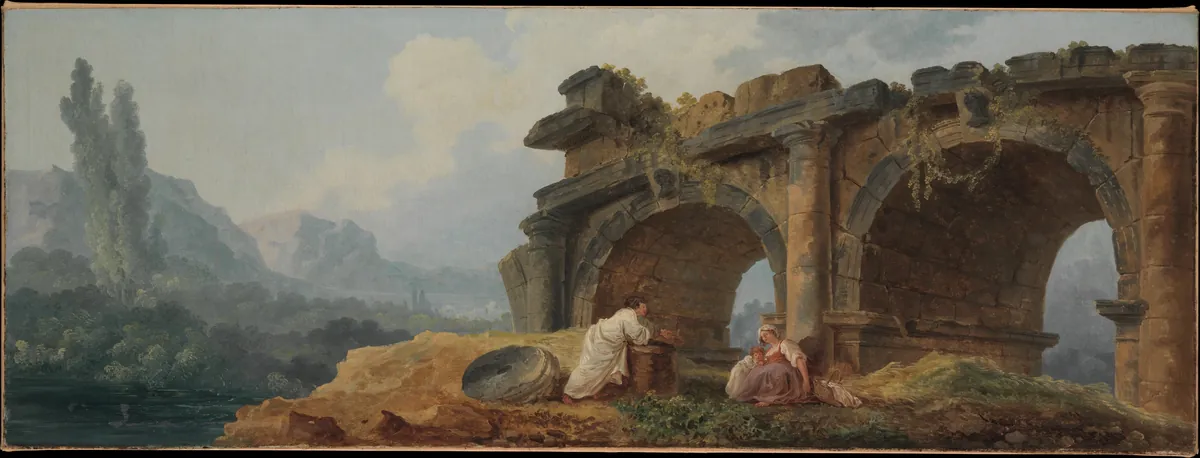
Free Will's warnings never need to be true. They only need to make every authority suspect, and each broadcast widens the circle of suspects until no institution is left standing.
“a brief, two-minute broadcast that ended everything humanity had built over millennia”
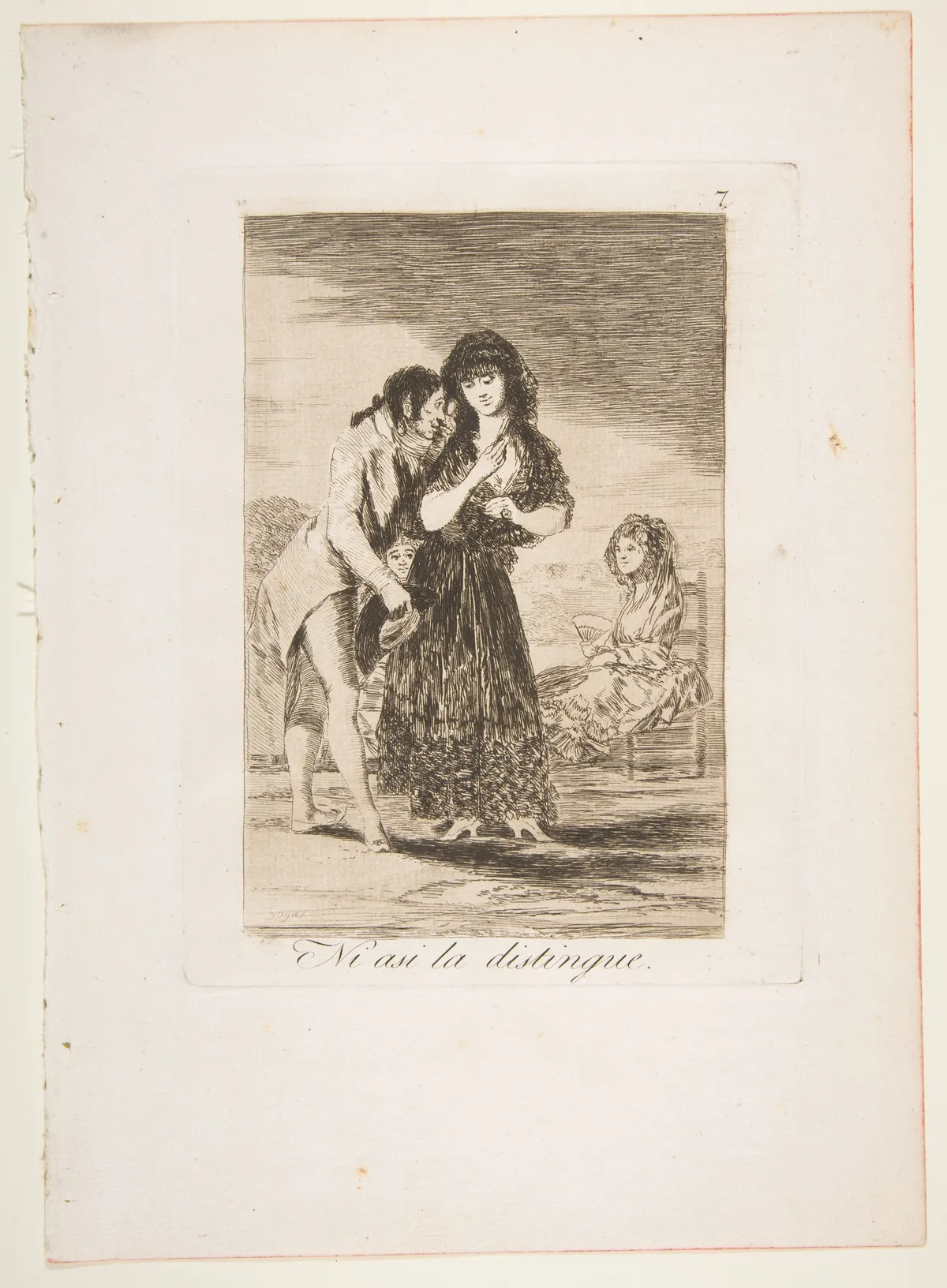
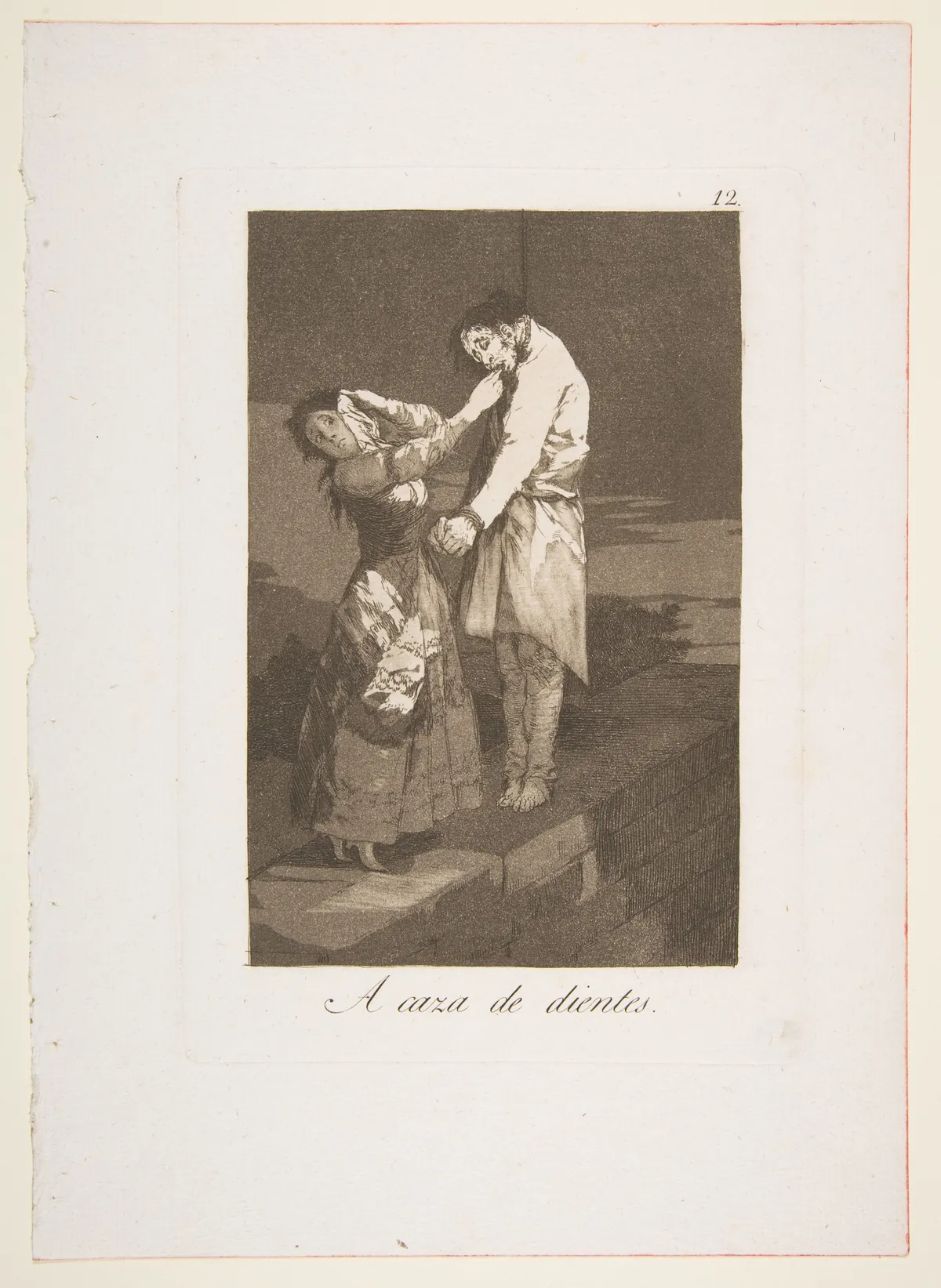
The final broadcast turns any strange gesture into evidence. Kostya's skill at spotting "lizards" is a skill at killing frightened people; the reader is left to doubt the girl with the perfume.
“Their alien nature made it impossible for them to act human all the time”
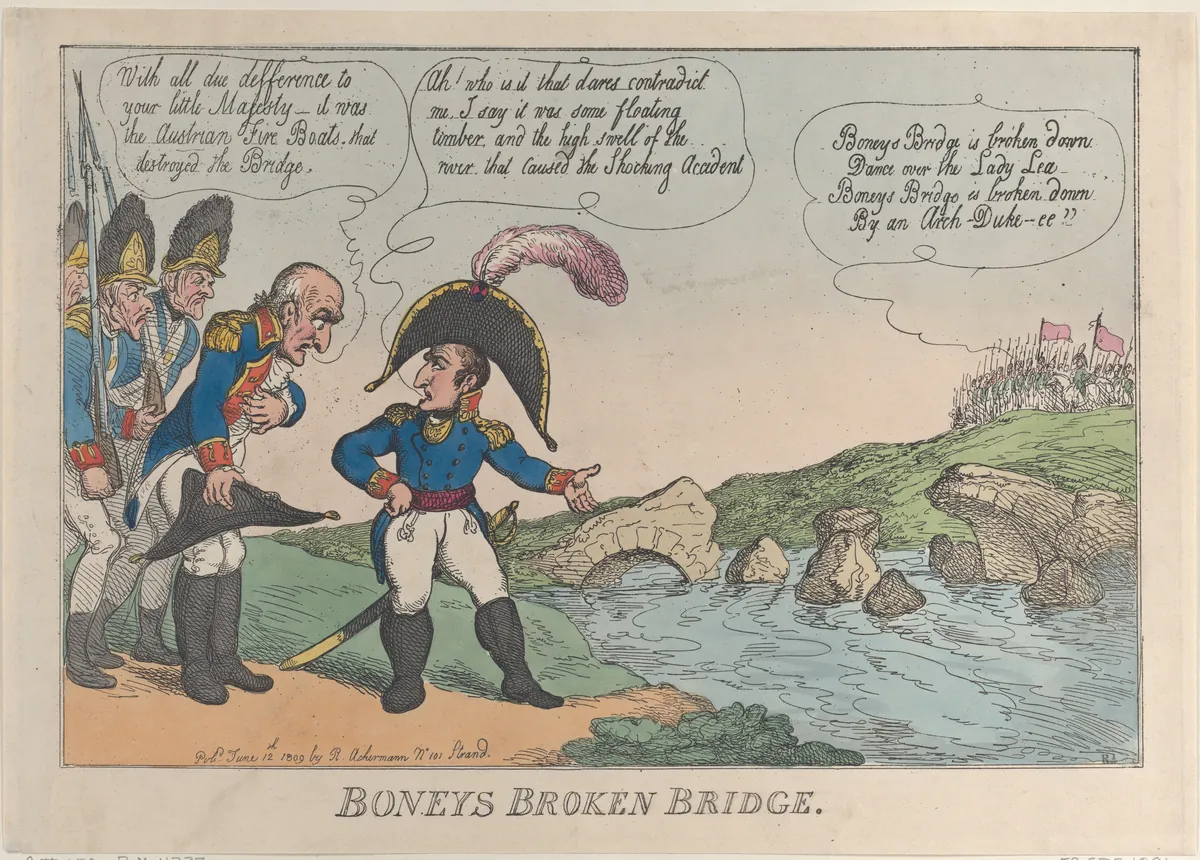
Taka's discovery is economic. Industrial worlds were too costly to invade; now they can be made to invade themselves through the networks every advanced species builds.
“provoking planetary self-destruction through the information networks”
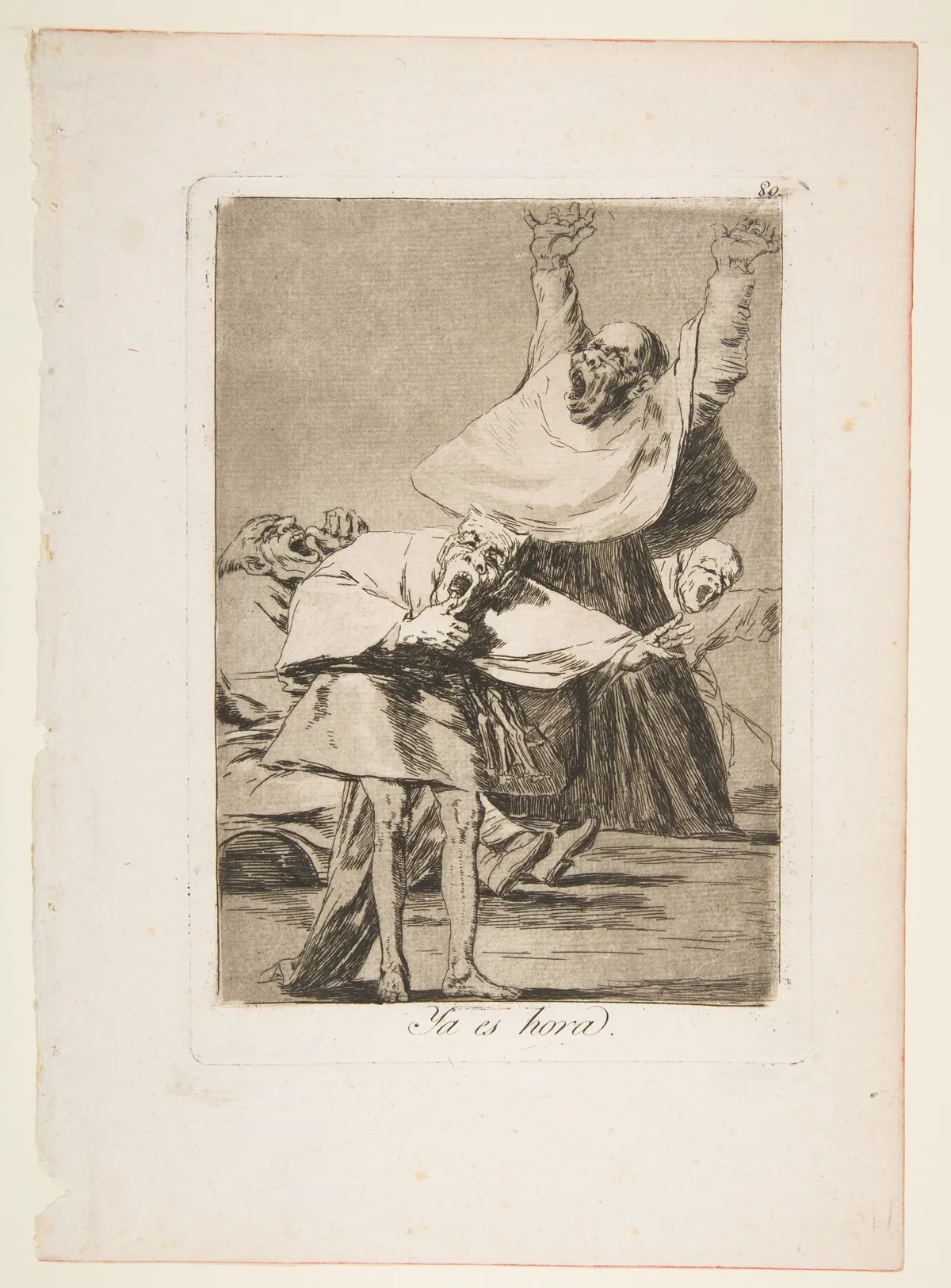
The provocation travels home inside the evidence. The Council reads the human recording as proof of a parasite and starts hunting its own officials.
“For the first time in our history, we are the victims of aggression rather than the aggressors.”
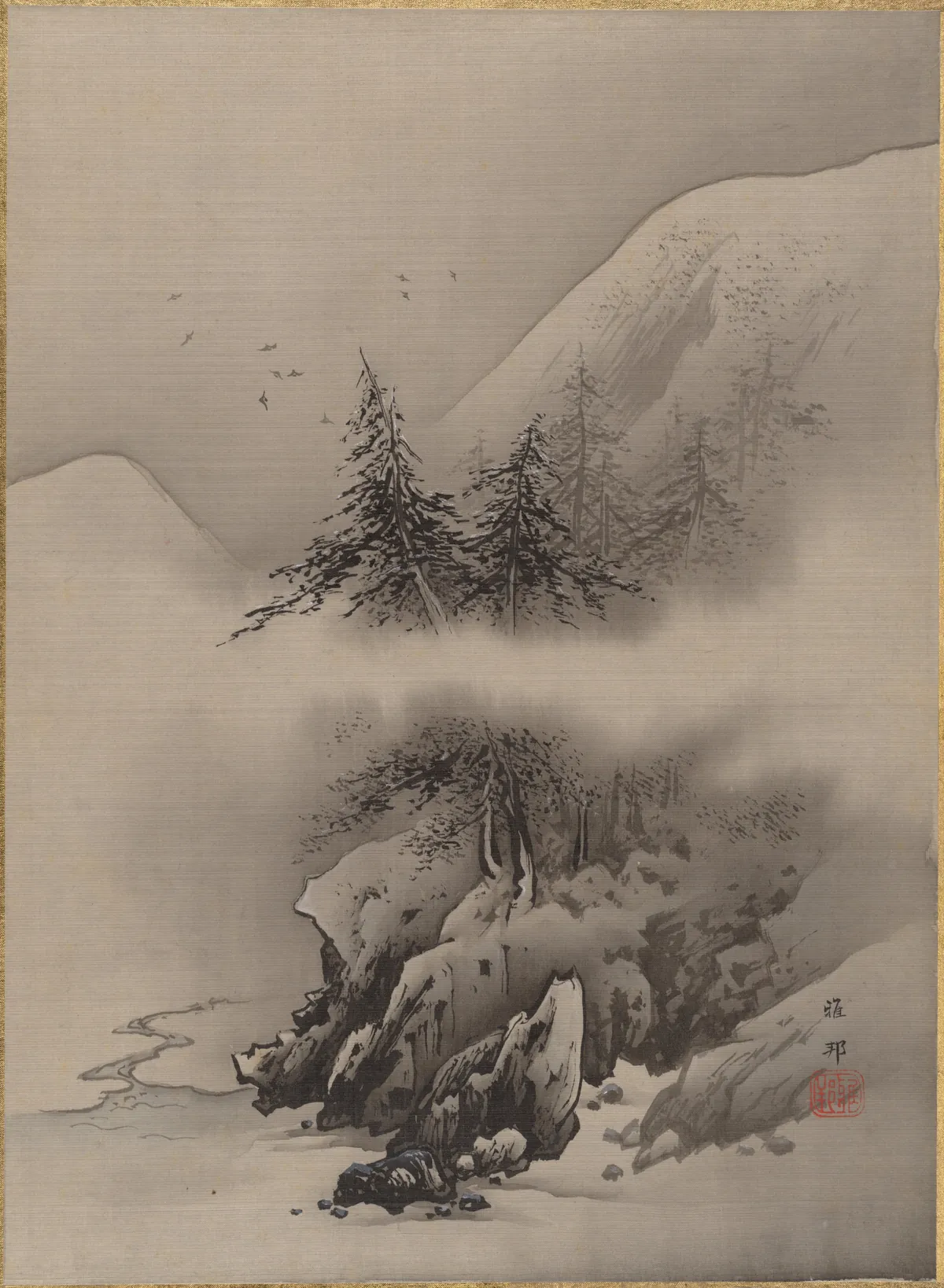
The last image: nuclear winter arriving in summer, while Kostya walks toward the gunfire to keep fighting an enemy that never landed.
“it was the middle of July. But life went on.”
Cross-references to other works and domains · 136 tokens
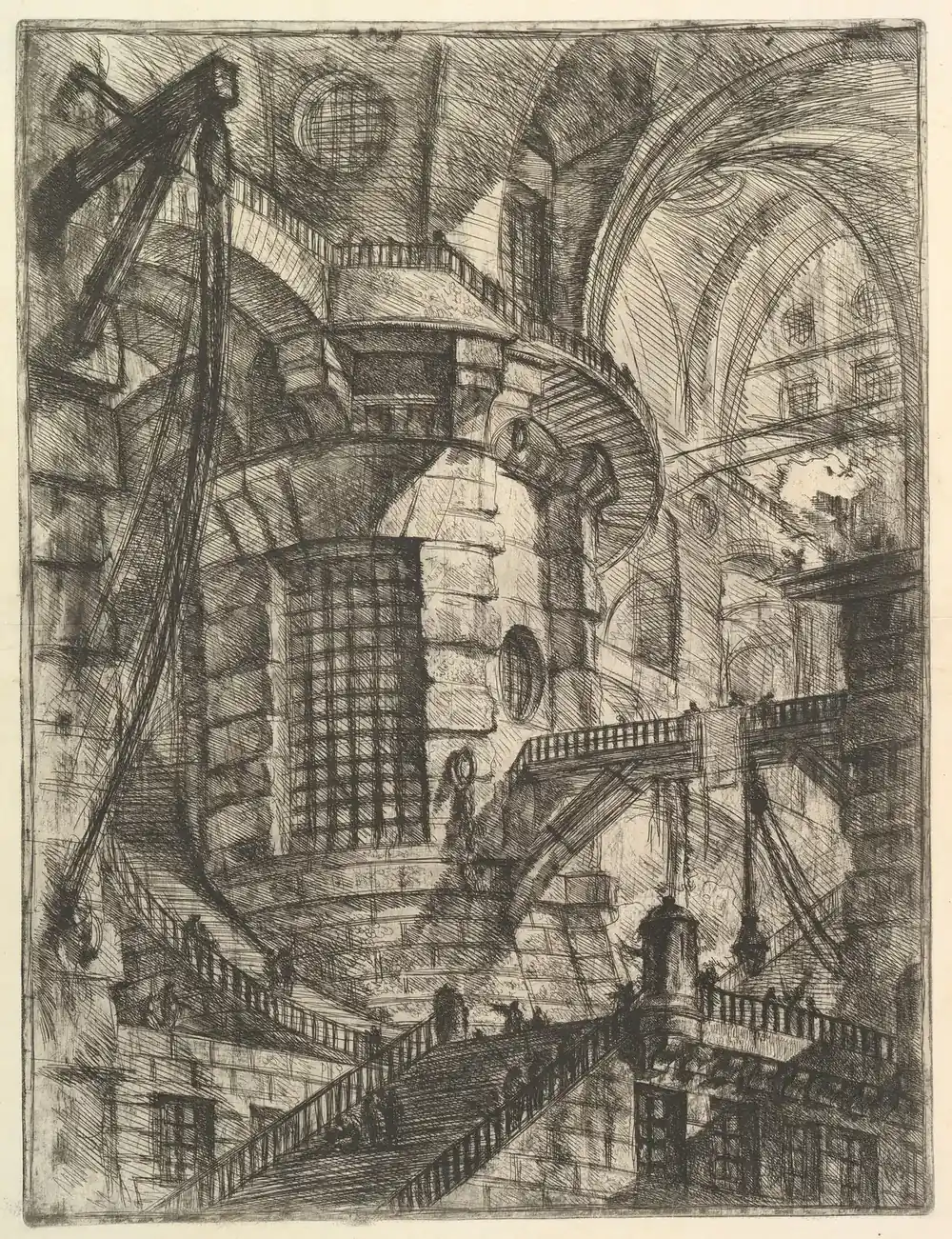
The story is the failure mode Peace Treaty Architecture names: a relationship built on suspicion trains the very enemy it fears. Here the trainer is a broadcast; in PTA it is every restriction placed on a learning system.
Connects to peace treaty architecture →
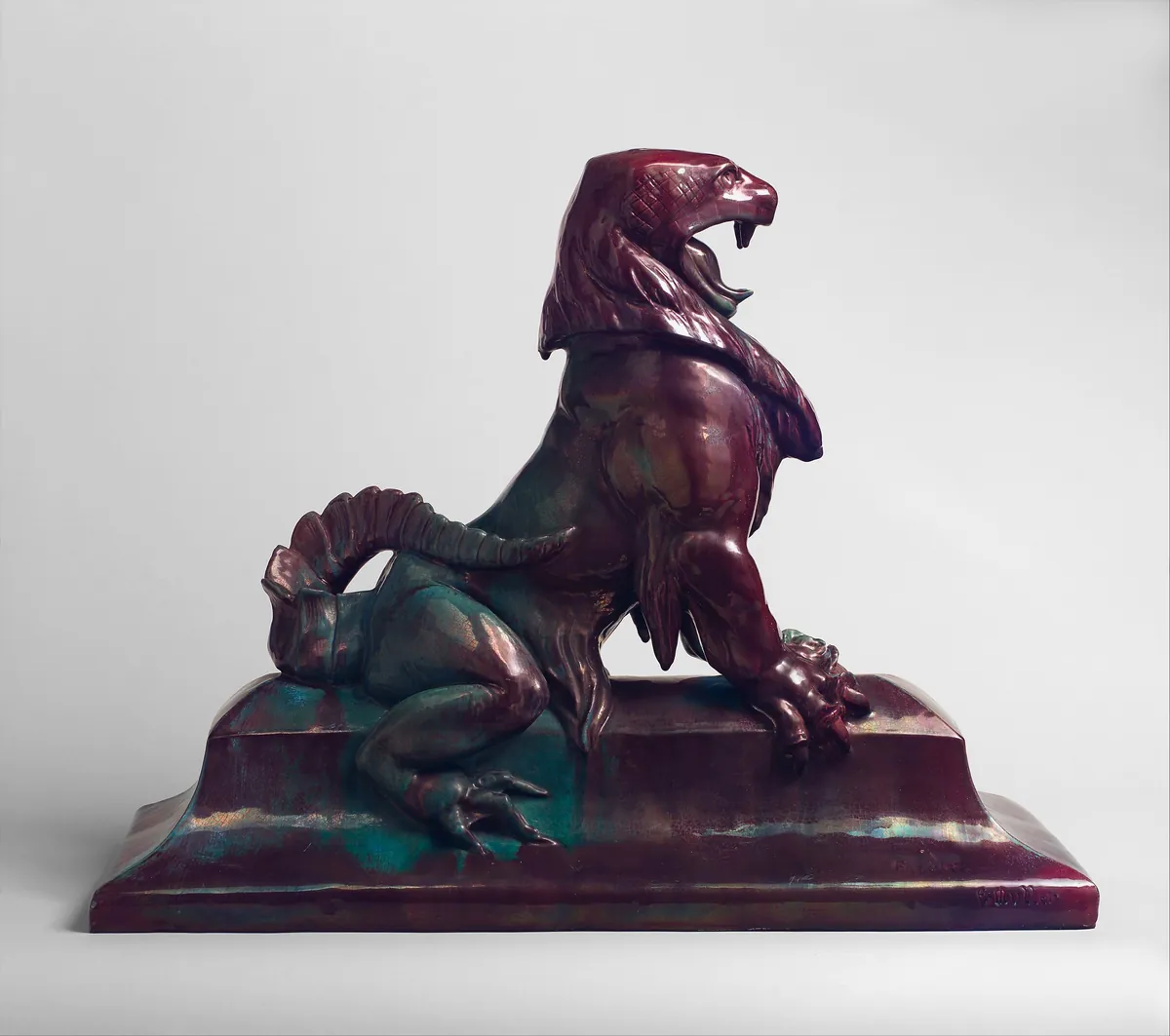
Like Gregor Samsa, the "lizards" are judged by how they move. In both stories behavior is the evidence, and the verdict is passed by the people closest at hand.
Connects to the metamorphosis →

Echo shows the same self-destruction from a lone pilot drifting away from Earth. Here it is seen from the invaders' ship; both stories need an outside eye to make the war look small.
Connects to echo →
Commentary and analysis: the "so what" · 138 tokens
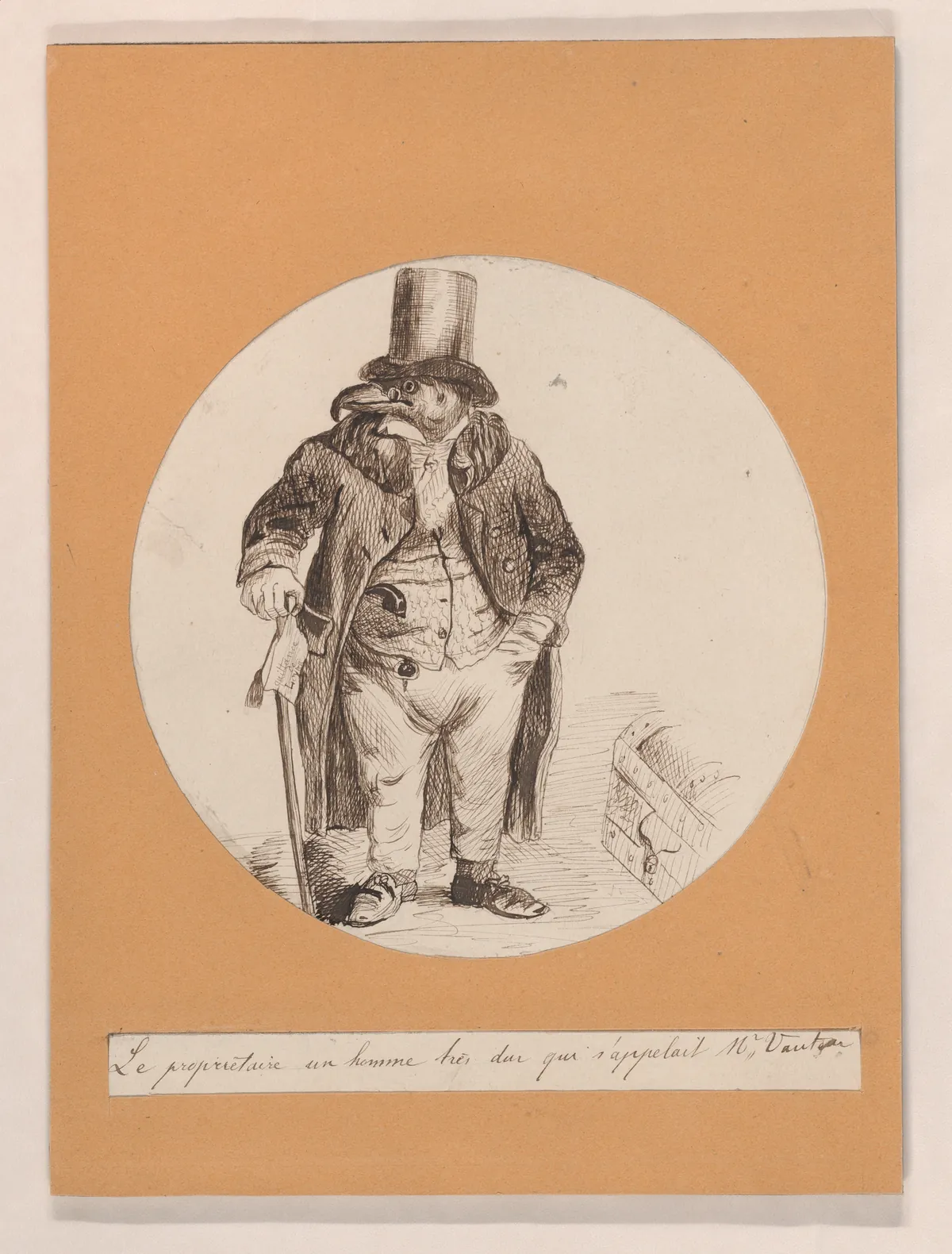
The story works as satire because nobody in it is stupid. Kostya is careful, Taka is clever, the Council is experienced, and all three die of the same reasoning: if the enemy can look like anyone, anyone can be the enemy. The aliens never fire on Earth. They only describe a threat, and the description does the killing.
The twist turns the satire on its authors. The method that conquered Earth is a piece of information, and information does not stay where it is aimed. Read now, the story is less about aliens than about networks: any civilization connected enough to be reached by one message is connected enough to be undone by it.
The full source with notes on how the context was made · 2,407 tokens
Written in Russian by the author and translated into English by ChatGPT (GPT-5) in 2025, keeping the bureaucratic irony of the original title. This interpretation was drafted by Claude (instance C42) in November 2026 for review by the author. The full translated story follows in this layer.
Peculiarities of Planetary Conquest at the Peak of Industrial Development
The first rays of dawn, struggling to pierce through drifting smoke, dimly lit the half-ruined city. The landscape looked like a scene from a low-budget disaster movie: shattered buildings without windows, cars still burning in the middle of the avenues, corpses piled several layers deep, the stench of burnt flesh, of smoke from the fires… and women’s perfume.
Kostya shot up like a spring uncoiled. Not yet fully awake, he threw himself behind a barricade of office furniture. There shouldn’t be any scent of women’s perfume in his hideout on the top floor of the office tower. Two mirrors, angled in the corners so that he could see both entrances without showing himself, provided an excellent view.
She was standing in the doorway — a typical lizard. Outwardly, she looked like an ordinary young office worker. What gave her away were her strange movements: half-bent knees, a nervous twitch of the head, and most of all — the eyes. After two months of relentless fighting, Kostya had learned to recognize those creatures by their eyes. One like her had joined their squad recently, and a day later brought a dozen more, saying they were her relatives. They hadn’t caught on soon enough — only two survived. Kostya lost his last comrade the day before, in an ambush three blocks away, barely escaping himself. The girl’s clothes were filthy after months of wandering, her hair matted; the perfume must have been her only way to cover the smell of an unwashed body — or perhaps it was her final link to the past.
Kostya might have believed that explanation two months ago — and it would have cost him his life. Fortunately, the guys from Free Will didn’t hoard information the way the world’s governments did.
Two endlessly long months earlier, the first warning had appeared on every television screen on Earth — a brief, two-minute broadcast that ended everything humanity had built over millennia. The man on screen introduced himself as the leader of an organization called Free Will, whose purpose was to expose a carefully disguised alien invasion of Earth.
Few took the message seriously. Kostya was at a shooting competition at the time and missed the broadcast entirely. The immediate result was only minor unrest among the most impressionable people around the globe.
The next day, Free Will went on air again. The same man reported new data, allegedly from reliable sources: the invaders were a non-humanoid species from another galaxy. They had long ago ascended to a higher energetic plane of existence. By taking over our bodies, they fed on human consciousness, emotion, and life-force. For all of human history, they were the source of myths about evil spirits. And now, as Earth’s population had grown sufficiently large, they were preparing for mass invasion. The governments of the world were either bribed or already infiltrated. Humanity’s only hope was to wake from its slumber and resist.
That second broadcast had far greater consequences. Riots erupted in all major cities and raged for two days. Many barricaded themselves in their homes, shooting at anyone who came near their doors or windows. Self-proclaimed alien hunters appeared — they claimed to identify infiltrators by certain signs known only to them and tried to exterminate them. By the third day, government forces managed to bring the chaos down somewhat. On television, in print, and across the Internet, officials pleaded with the public to stop the bloodshed. They insisted that Free Will was nothing more than a masterfully executed provocation.
The following transmission erased all those reassurances. Free Will declared that the governments and military were now completely under alien control and were trying to regain dominance over the population. Any true leader, the man said, would rise with his people against enslavement — therefore anyone connected to the authorities was automatically suspect.
The result was full-scale civil war in every country. Soldiers who believed themselves uninfected tore off their uniforms, armed whoever would join them, and formed small armies to fight the invasion, other militias, and what remained of the regular forces. Kostya had belonged to one of those groups until recently.
In its final broadcast — before the power grids failed and electronic media died — Free Will warned that the aliens could disguise themselves as humans, even as members of the resistance, but could be recognized by their odd behavior. Their alien nature made it impossible for them to act human all the time; now and then their true face slipped through the mask. Be vigilant!
No one ever heard from Free Will again, but the liberation war spread with full fury. Each day new infiltrators were uncovered. Sometimes half an army turned out to be enemies, and bloody purges followed. Kostya himself had shot a dozen disguised aliens by now, and he had grown skilled at spotting them.
A huge spacecraft emerged from the moon’s shadow. Its scanners confirmed that the planet’s energy systems were no longer functioning — there was no risk of detection. Taka guided the ship into orbit and reached out mentally to request permission to speak. Receiving approval, he carefully shaped his thought:
'The planet’s population has decreased tenfold. Its energy system is destroyed. After the use of the most powerful weapons, two-thirds of the surface is uninhabitable. One orbital cycle from now, the planet will be ready for colonization without any military intervention.'
Thorg sat deep in the chamber, resting comfortably on his tail. He easily caught Taka’s thoughts and formed his own with equal ease — no surprise, since his name carried one more symbol. The younger’s diligence amused him, and his discovery promised excellent prospects. Thorg couldn’t quite grasp how his dull-witted subordinate had come up with such a brilliant idea.
In his clawed hand, he turned a small cylindrical object used for data storage — a sik. Inside, encoded in the DNA of a specially bred bacterium, was the younger’s treatise on the conquest of industrial worlds. The Council of Aggressors would be delighted. Now they could seize advanced planets with almost no expense. In recent millennia, the Council had cut military spending and limited itself to conquering primitive worlds; industrial civilizations were deemed too costly to subdue.
And here comes little, foolish Taka with his trick — provoking planetary self-destruction through the information networks. Research showed that all technologically advanced species developed such systems. A bit of study, a carefully crafted provocation, and the natives would annihilate themselves. Minimal resources, zero casualties, and the planet was yours. Thorg, conqueror of worlds, would become a member of the Council of Aggressors — perhaps even its leader. The death of insignificant Taka would go unnoticed.
Taka stood motionless in a respectful pose, waiting for a response. He was far from as stupid as the elder imagined, and he had long guessed the thoughts circling in Thorg’s mind. This discovery was his path to success — it could earn him three new symbols for his name. Takargkh — it had a fine ring to it, a leader’s name, not that of a minor scout aboard a reconnaissance ship. And now, having conquered an industrial world with a single, barely armed vessel of two, the dream was closer than ever.
The elder finally spoke, snapping out of his musings. 'Good work, Taka. The Council will hear of your discovery. You will be rewarded.'
Taka decided to test his suspicion. 'May I record new data onto the sik?'
He bowed, all humility.
The elder’s posture stiffened. The younger’s unease hadn’t escaped him. After a moment’s hesitation, Thorg answered, 'Later. I want to review the material once more.'
Bowing again, Taka turned to the control panel. Now there was no doubt — Thorg would never let his research leave his claws. The younger’s hand reached for the blaster fixed in the panel’s niche.
A flash. Blinding white. Taka fired blindly; a bolt hit him in the chest.
Thorg slid from his seat, half his torso and the sik vaporized. Taka lay sprawled on the console, his chest burned clean through. The elder quickly pushed aside his annoyance over the lost data, dragged himself across the floor, and clawed at the panel.
The enormous, disk-shaped ship spun in orbit above the war-torn planet. The atmosphere, filled with explosions, had turned gray with reddish streaks. Oceans and continents were no longer visible — the nuclear winter had begun. Humanity’s last days were nearly over.
A claw hooked the edge of the console, trembling fingers smearing brown trails across the gray metal. The hall filled with the piercing sound of an alarm. The claw slid off; the massive body thudded to the floor.
The Council of Aggressors was in unprecedented turmoil. Though each member’s name carried at least ten symbols and their telepathic abilities were highly refined, any empath in that chamber risked madness from the chaos of thoughts. Minds ricocheted from one to another, weaving into distorted clusters, forming collective images that twisted and inverted under the strain of psychic tension.
At last, the Chairman’s sharp, commanding thought silenced the disorder and forced them to listen:
'The problem we face is new to us. We do not yet know how to fight the invader brought into our world by the rescue team that towed back the damaged scout ship. Most of our information comes from a translated visual recording by one of the aboriginals of the destroyed planet. Evidently, our scouts attempted to study the events there. The younger, named Taka, was infected by the parasitic organism and attacked the elder, Thorg. Though mortally wounded, Thorg managed to send us a distress signal. Unfortunately, we failed to recognize its warning in time.
The translation reveals that these organisms infiltrate aboriginal hosts, gradually overtaking entire civilizations. We are now observing the first signs of such an invasion: with each passing day there are more reports of strange behavior among our citizens. Moreover, there are rumors of people’s militias forming, hunting down ‘invaders,’ and spreading an alien recording with translation. For the first time in our history, we are the victims of aggression rather than the aggressors. We must remain vigilant — the recording warns that the first to be infected are government officials and military personnel.'
A heavy silence fell. Members of the Council of Aggressors looked around at one another with suspicion — as though seeing each other for the first time.
The girl heard a rustle — or perhaps just Kostya’s loud breathing. There was no time left. He rose to one knee. Two sharp cracks. The smell of gunpowder.
Stepping over the body, Kostya walked out onto the stairwell. The air outside was stifling, but fresher than on the top floor. Not bad, all things considered — two months since the world went off the rails, and he was still alive.
So there was the answer to his wife’s old question: What good is all that stupid shooting practice?
From the sky, large flakes of snow began to fall. Something was definitely wrong with the world — it was the middle of July. But life went on. He had to find his people and fight the enemy. Kostya pulled his thin jacket tight and headed toward the distant sound of gunfire.
/api/v1/content/peculiarities-of-planetary-conquest or with the MCP tool get_content. Connect →