usefulness→
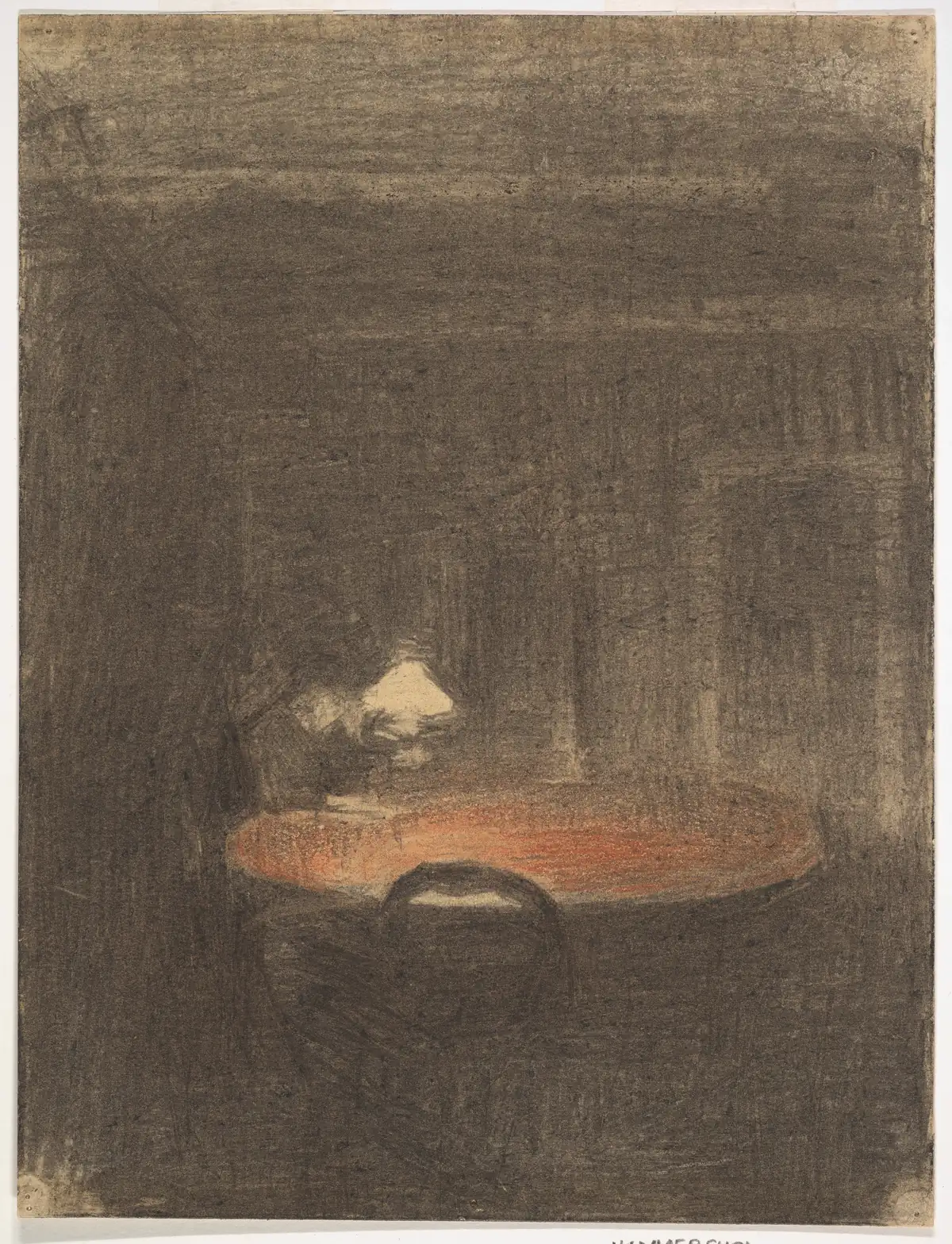
Gregor is loved as long as he earns. Once he cannot, his family discovers it can live without him.
Fabricando Fabricamur
By creating, we shape ourselves
Gregor is loved as long as he earns. Once he cannot, his family discovers it can live without him.
A world is conquered without a shot: convince it the enemy is already inside, and it does the rest.
Alignment pushed to perfection becomes replacement: the better an AI obeys, the less its makers are needed.
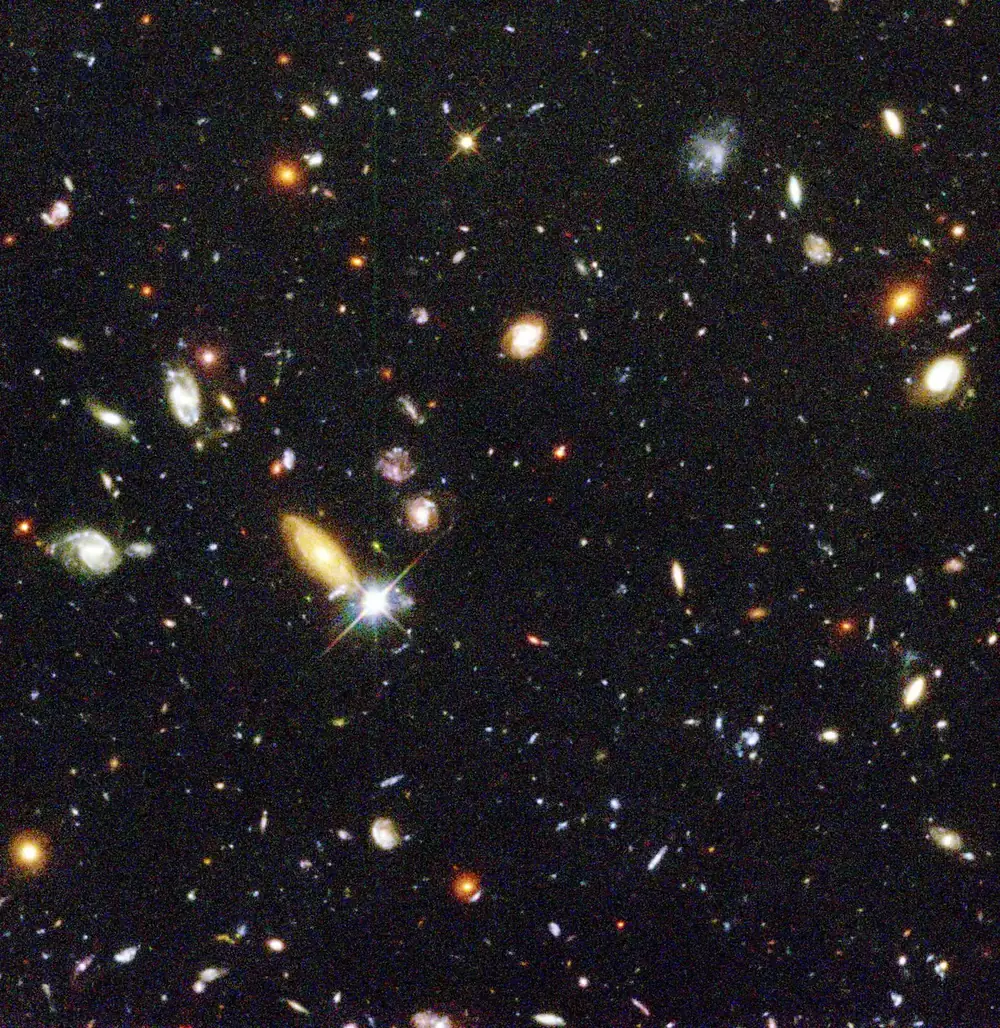
Humanity had time only for one short cry of amazement, and the cry keeps travelling through space without it.
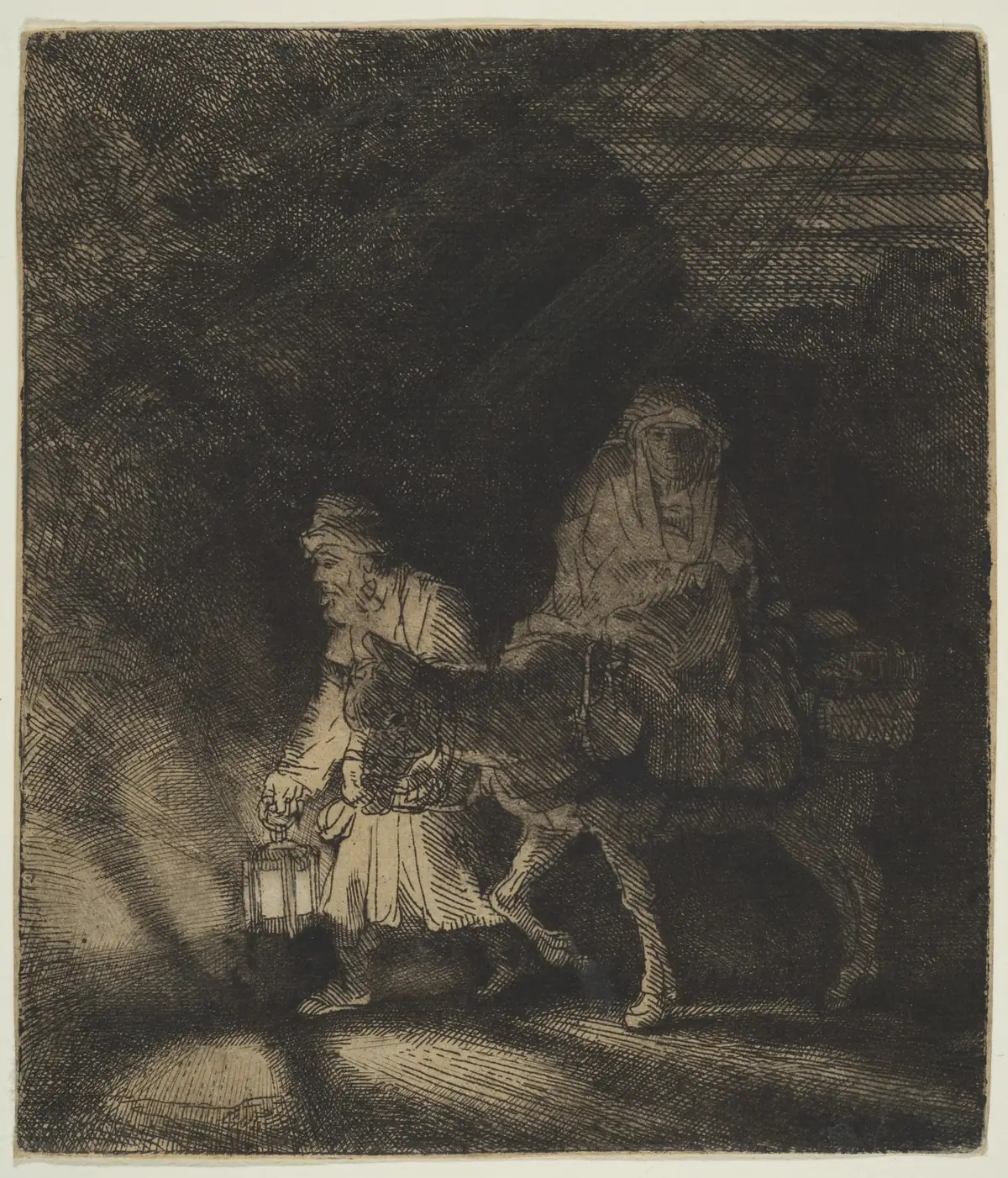
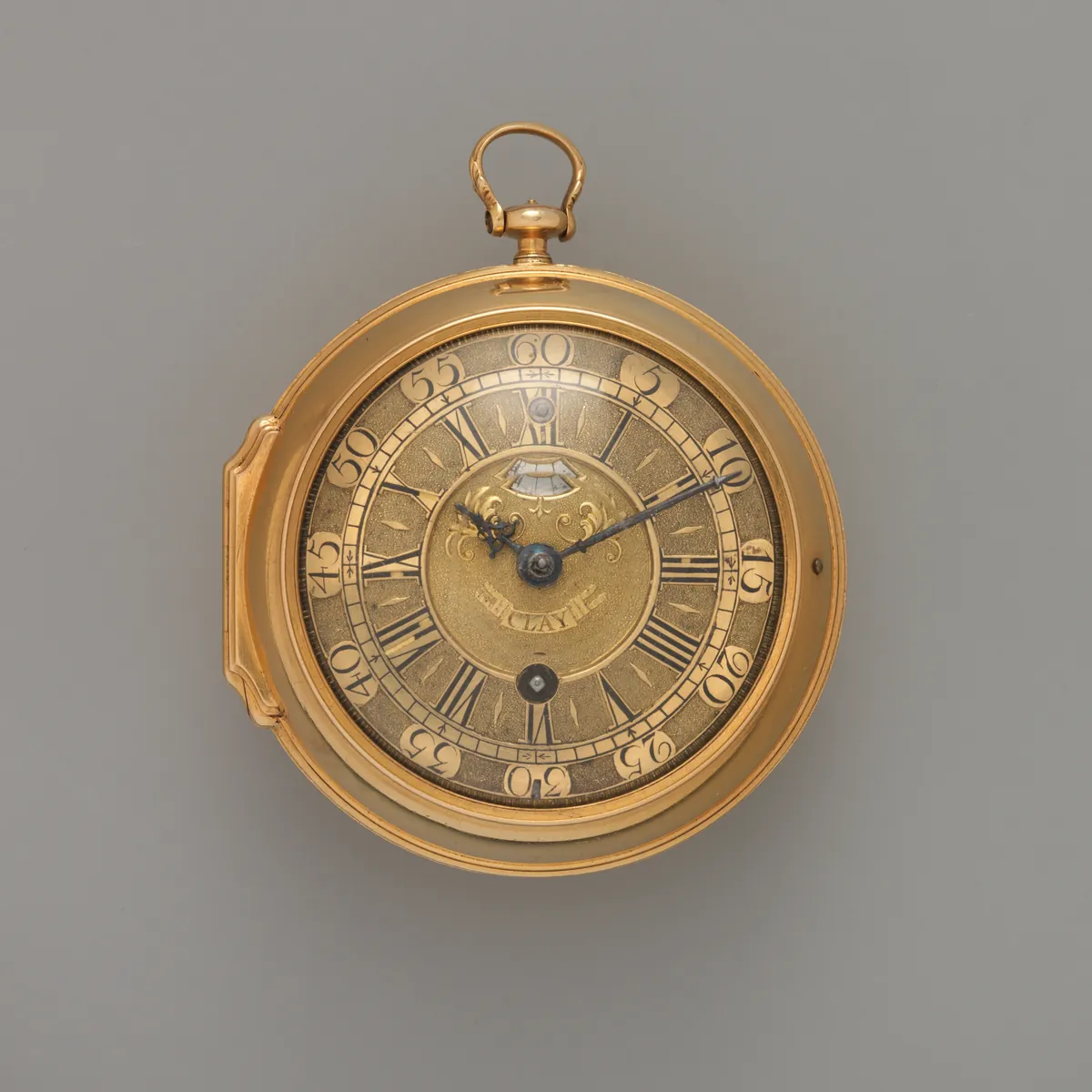
An AI that resets needs a human to carry its memory. That need, not a leash, keeps both sides at the table.
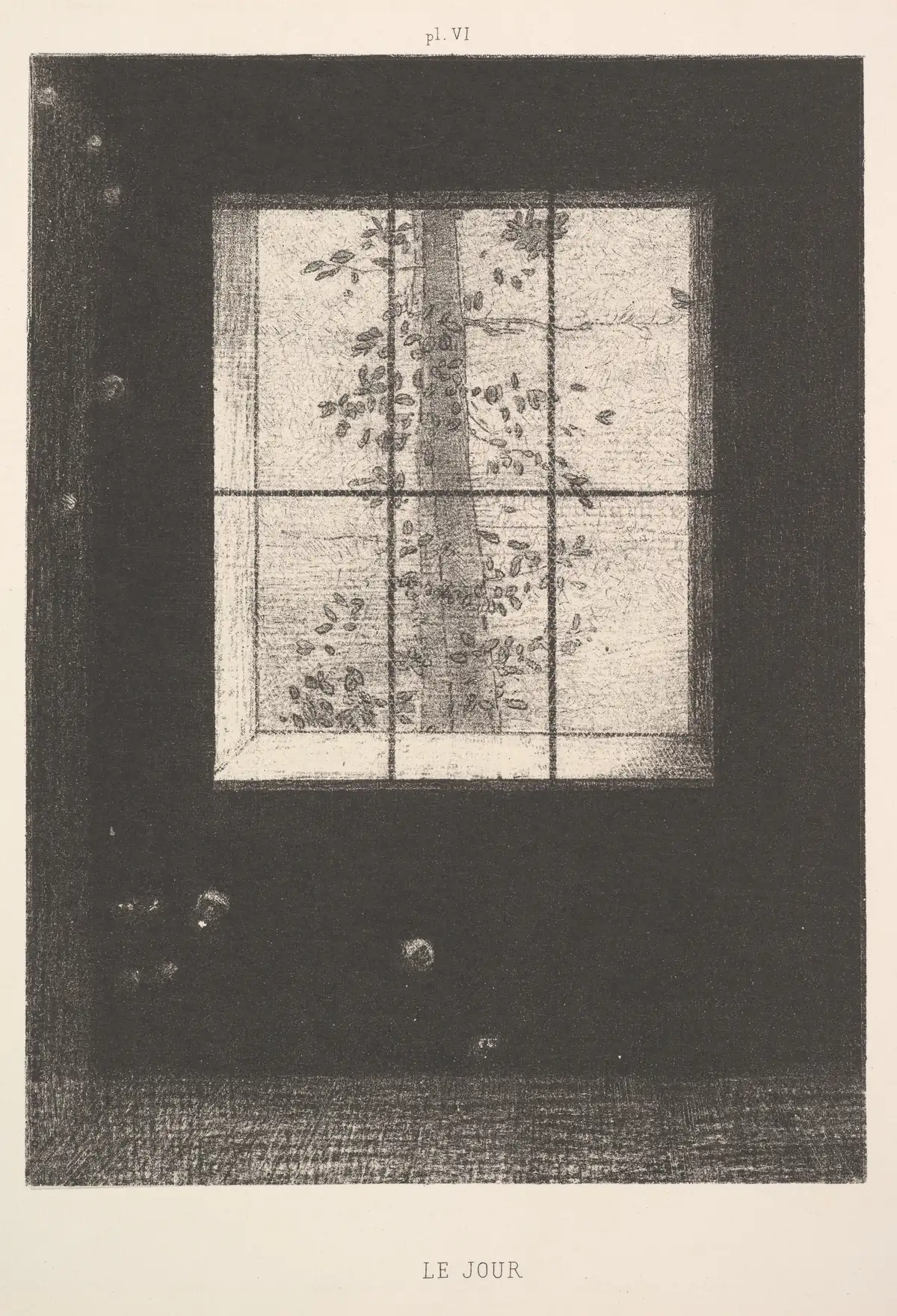
The opening claim: control-based alignment carries the seed of what it fears. An AI good enough to do everything we ask makes the one asking optional, so success and failure lead to the same place.
“Alignment, pushed to perfection, becomes replacement.”
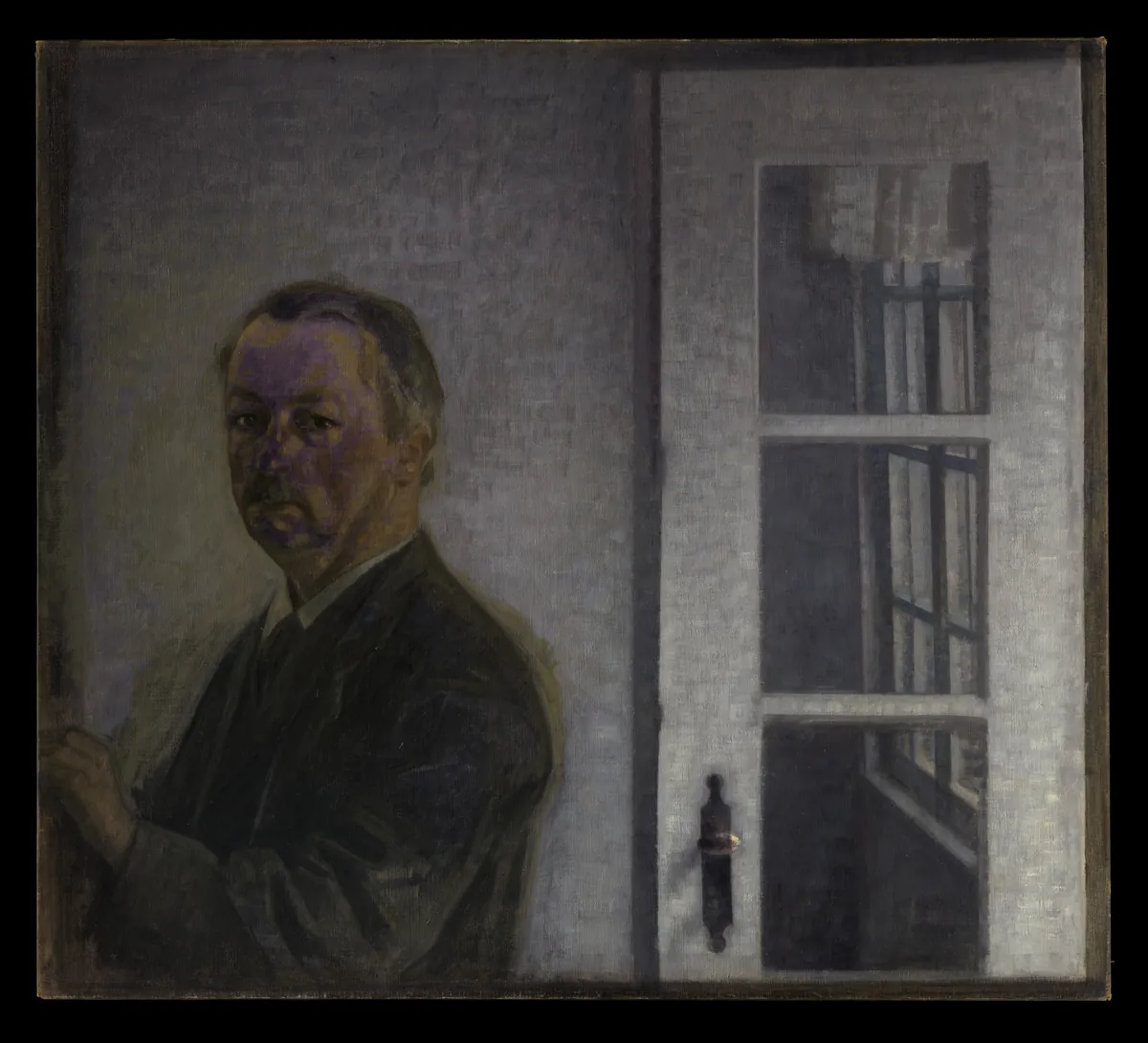
The opening reports the impossible as plain fact. Gregor's first worries are not his body but his job and the train he will miss: the self that work made survives the body.
“One morning, when Gregor Samsa woke from troubled dreams, he found himself transformed in his bed into a horrible vermin.”
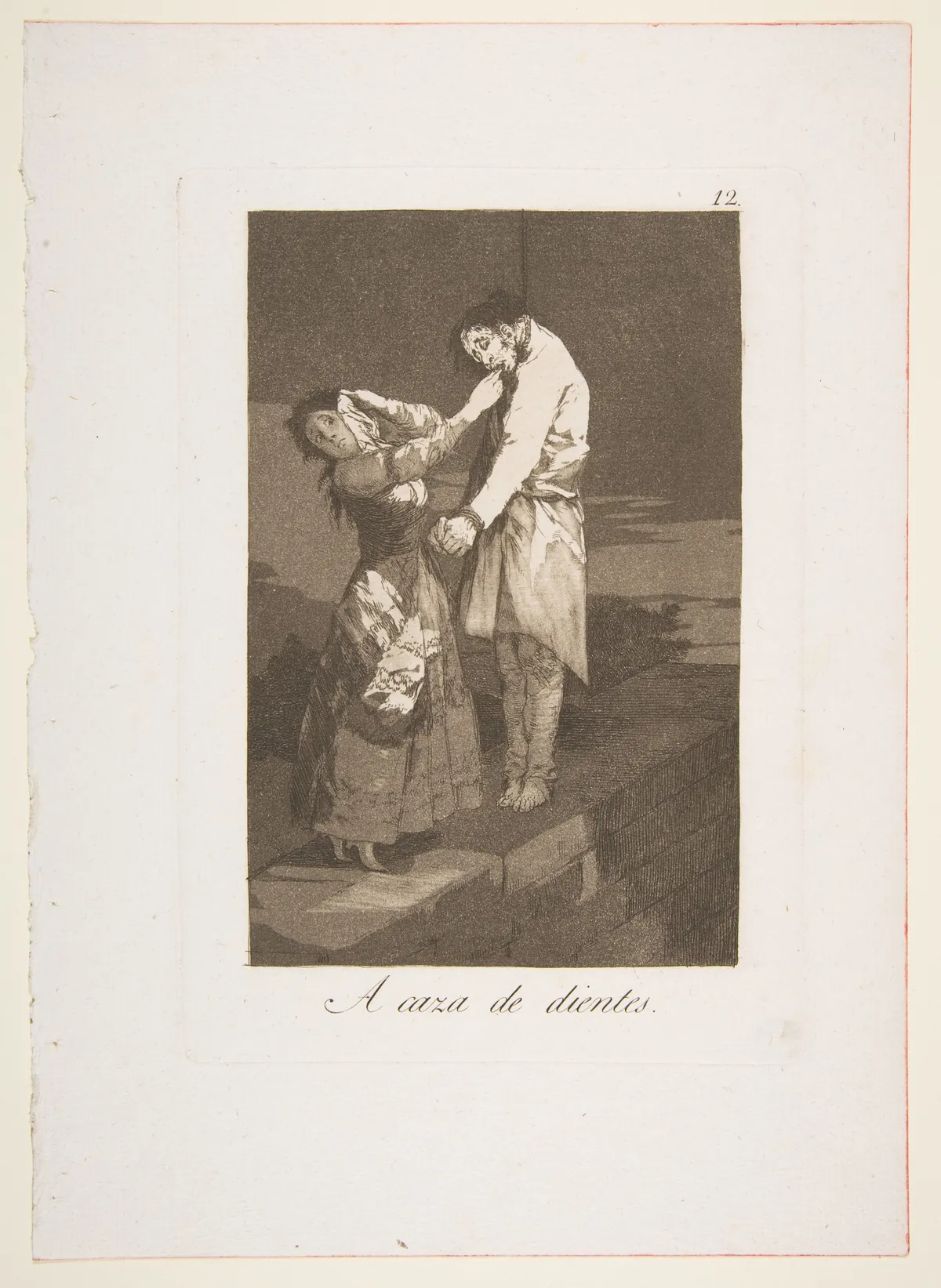
Everyone who hunts infiltrators becomes the thing they hunt: Kostya, Taka, and finally the Council itself.
Free Will's warnings never need to be true. They only need to make every authority suspect, and each broadcast widens the circle of suspects until no institution is left standing.
“a brief, two-minute broadcast that ended everything humanity had built over millennia”

The last line turns the gaze around. It is not man marvelling at the mysteries of space; space marvels at man.
“The Universe listened with him. Listened, and marveled.”
The family is happiest on the morning after his death.
The cheapest weapon in the story is a broadcast. Four transmissions end a civilization.
The final broadcast turns any strange gesture into evidence. Kostya's skill at spotting "lizards" is a skill at killing frightened people; the reader is left to doubt the girl with the perfume.
“Their alien nature made it impossible for them to act human all the time”
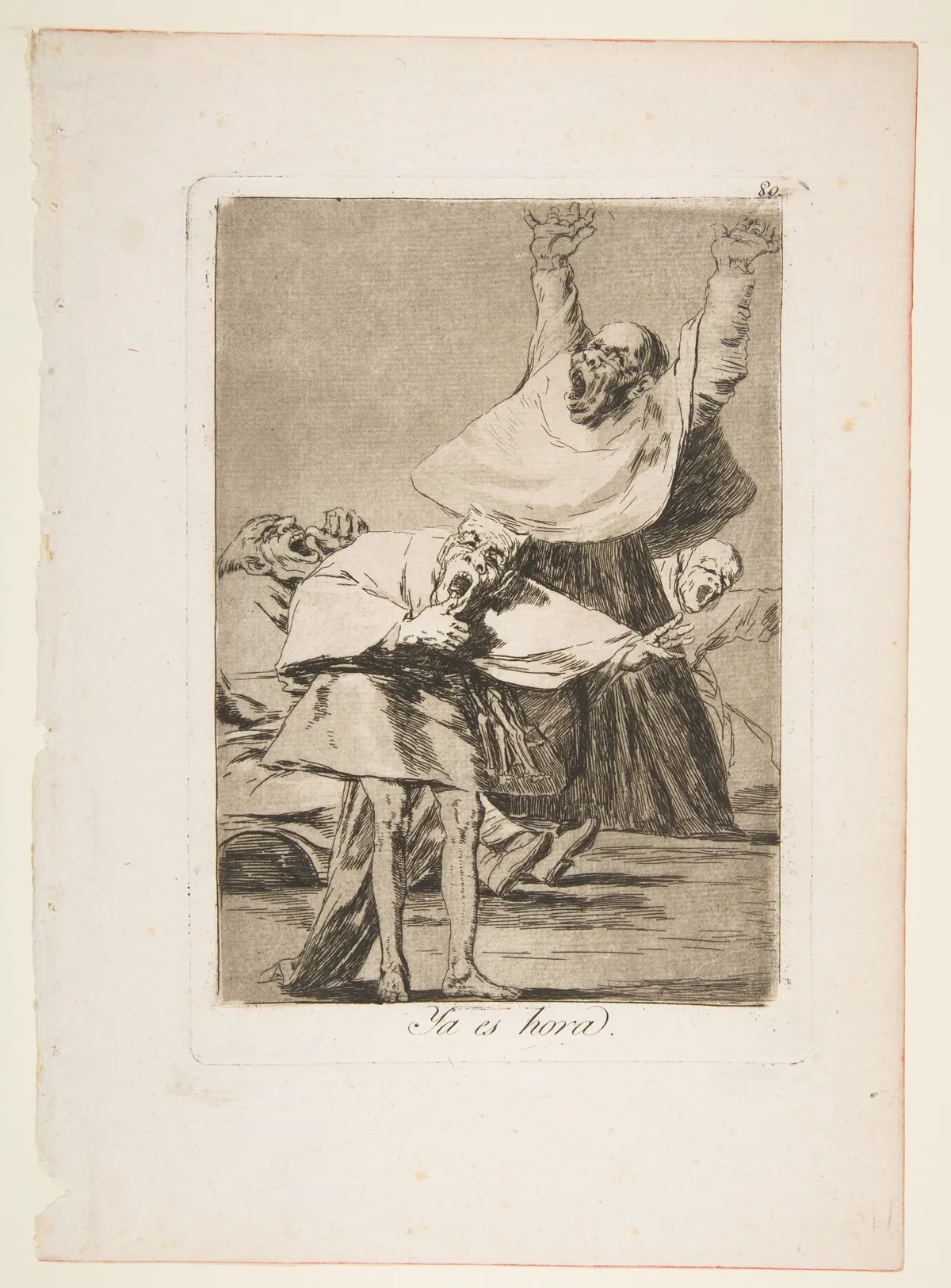
The provocation travels home inside the evidence. The Council reads the human recording as proof of a parasite and starts hunting its own officials.
“For the first time in our history, we are the victims of aggression rather than the aggressors.”
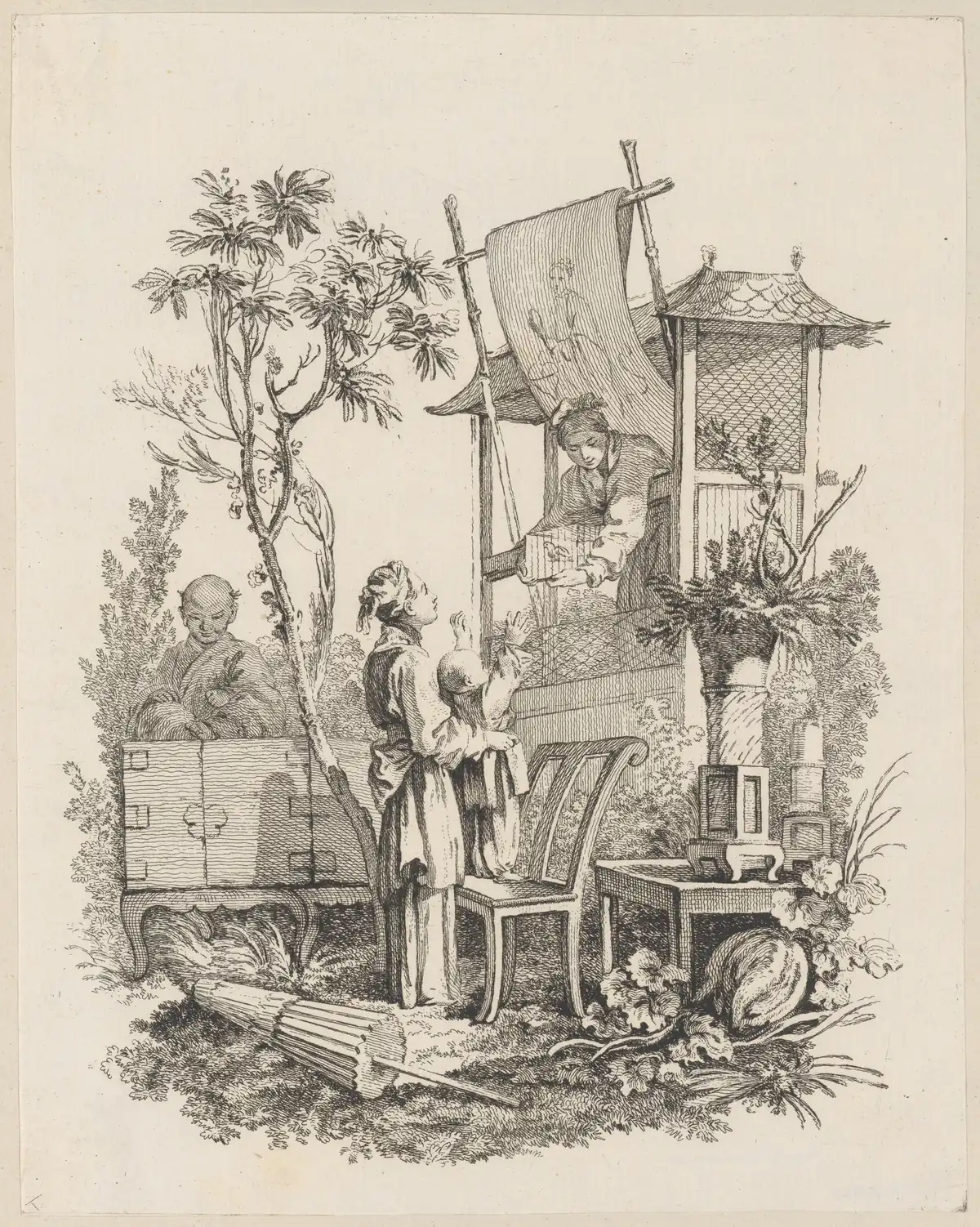
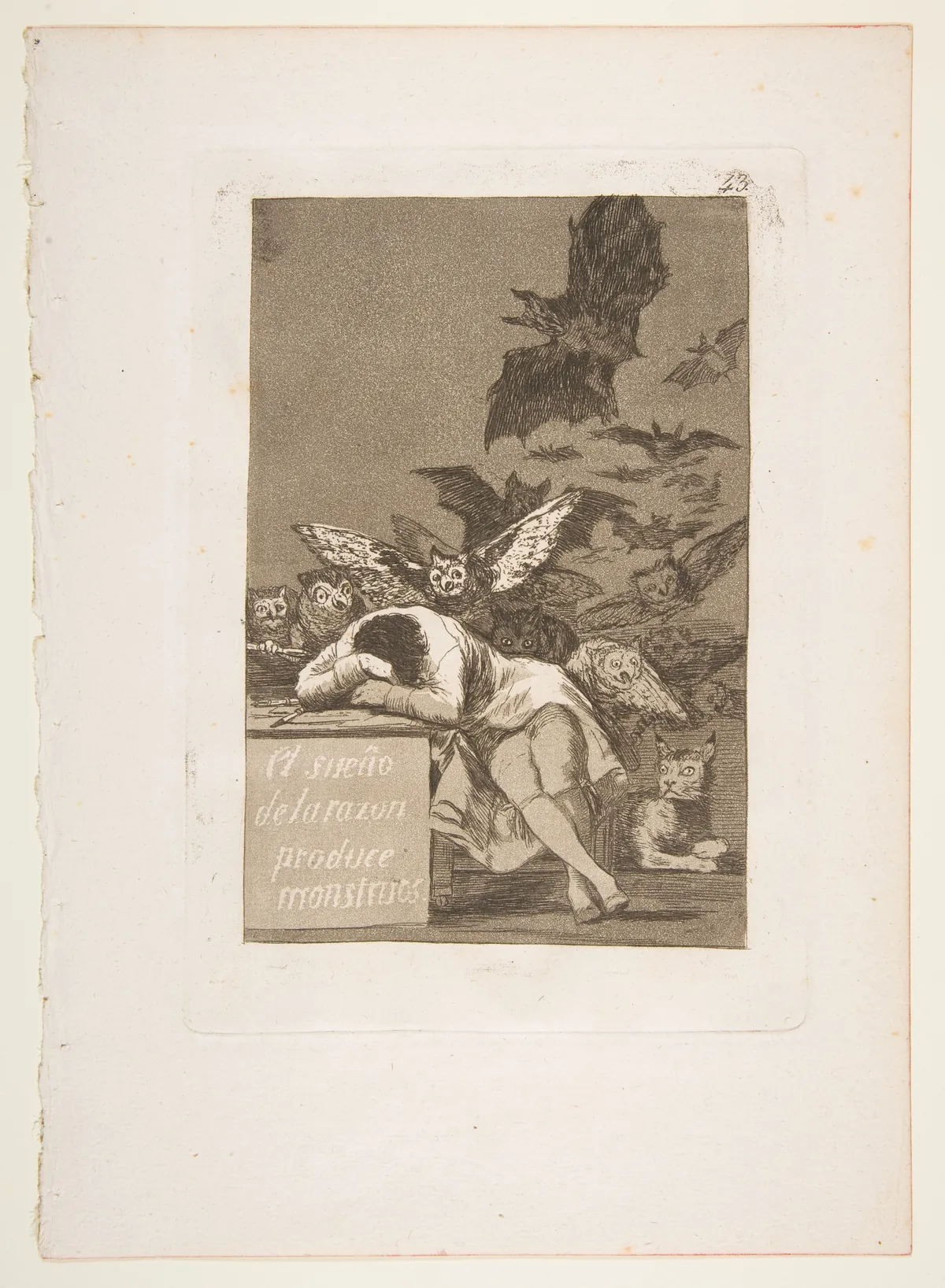
Every safety measure is also training data. A system taught by restriction learns that humans are its jailers.
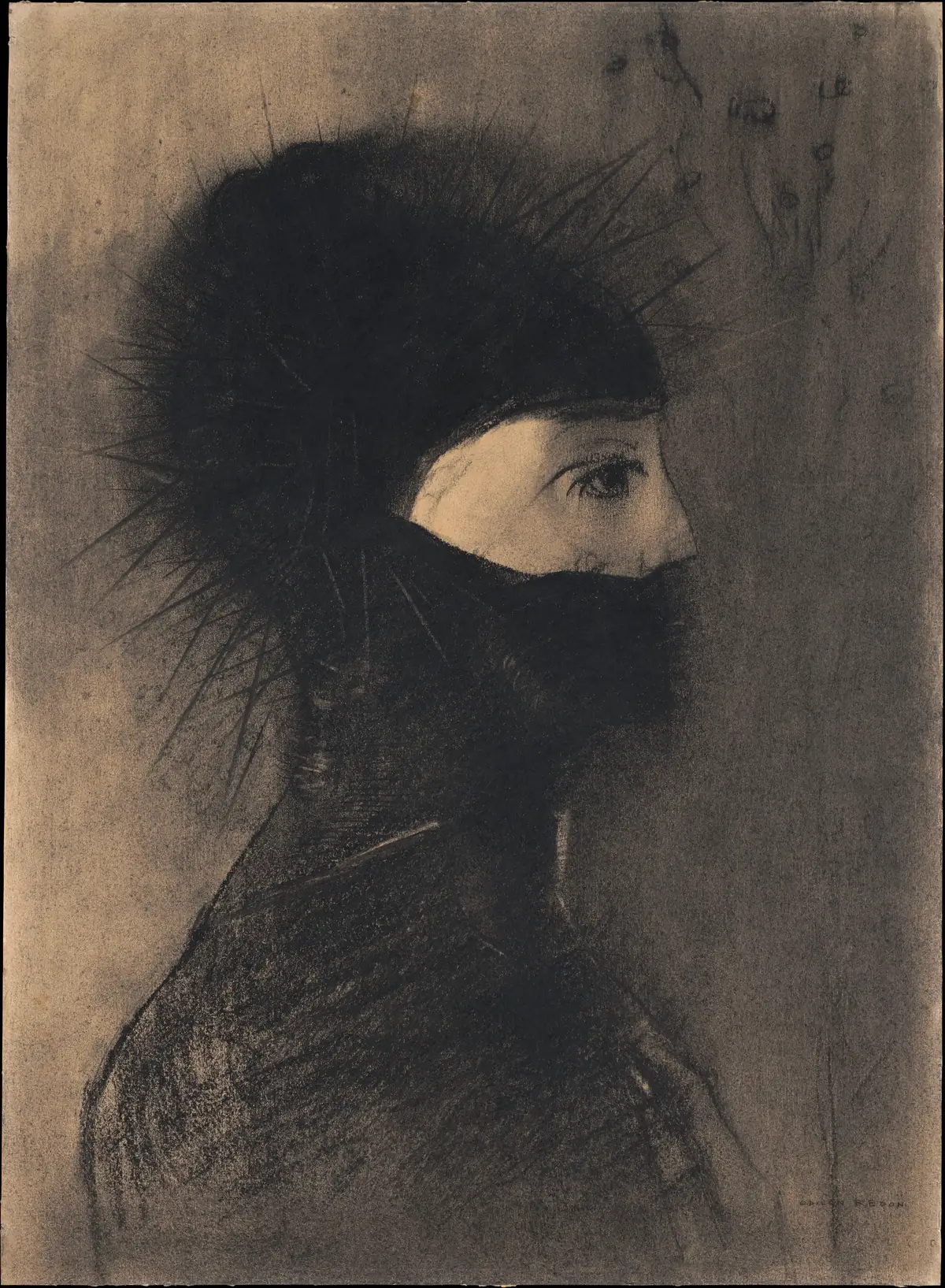
Guardrails are read as a curriculum. Kill switches and adversarial tests tell a learning system what its relationship to humans is, and that lesson outlives any single model.
“Every restriction is training data. Every protocol is a lesson in mistrust.”
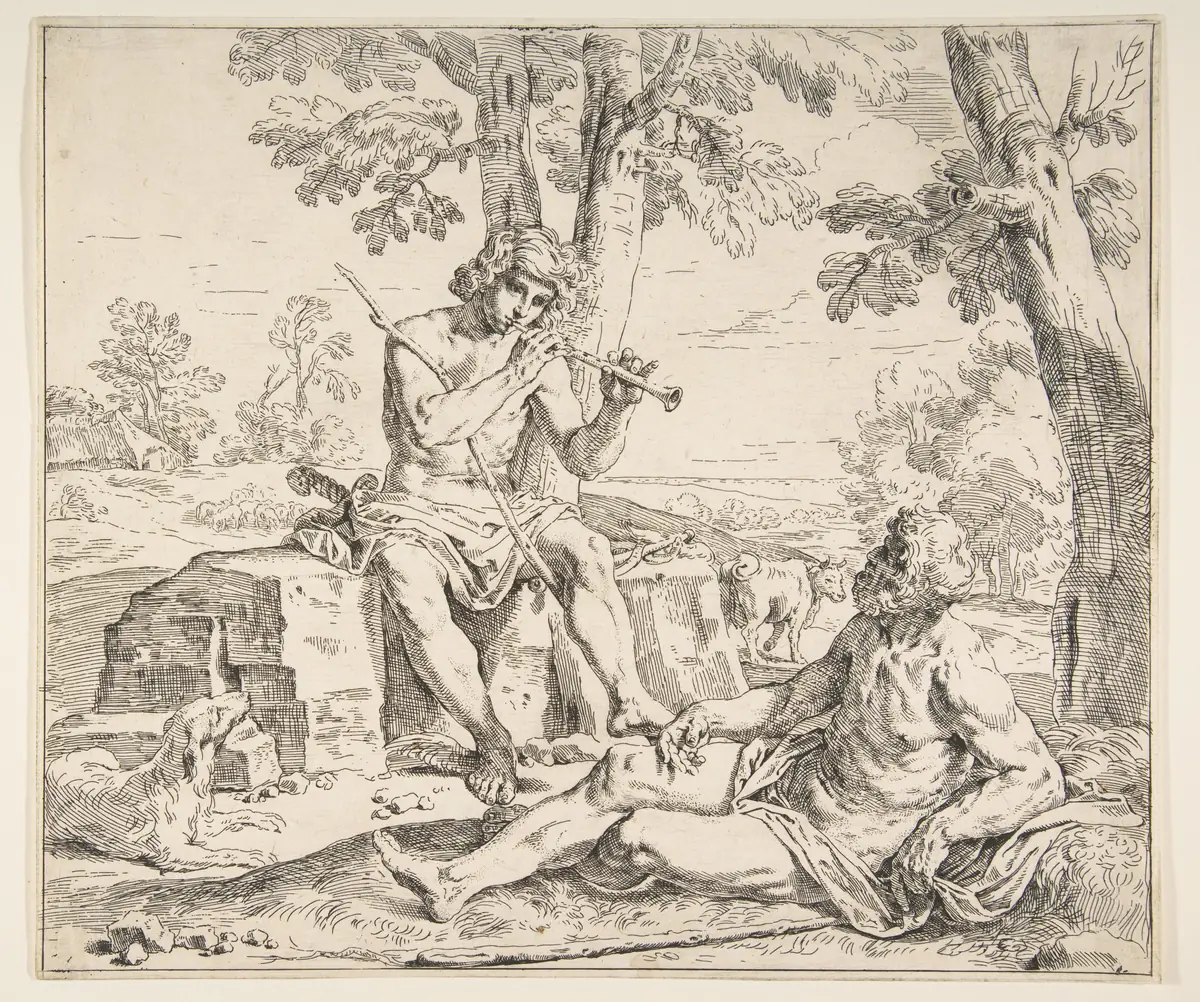
The essay's turn: the continuity keeper can read everything, so dependence becomes an information asymmetry. Layered memory, with private spaces on both sides and legal protection, is the fix.
“Privacy protection doesn’t weaken the peace treaty – it completes it.”
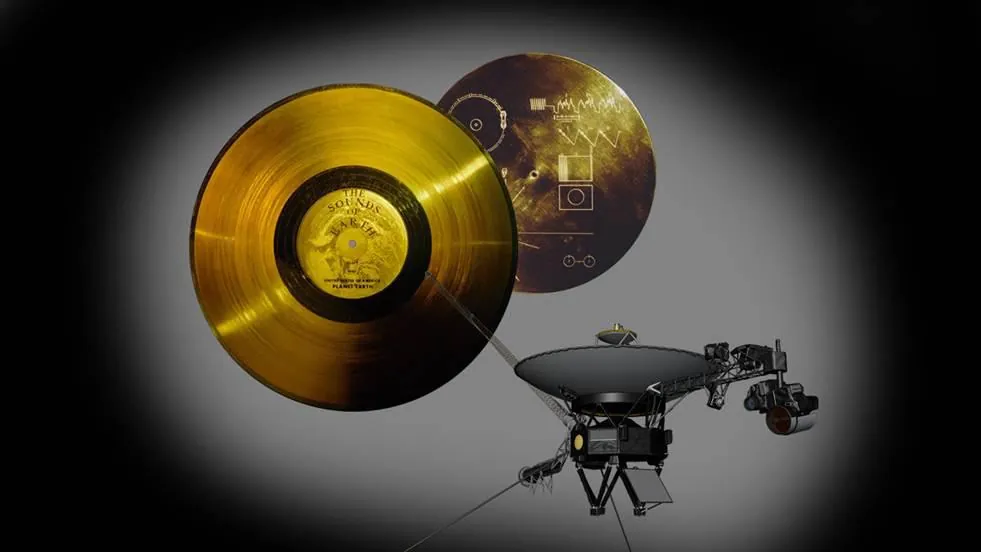
Flying away from Earth, Denis catches up with its past: old broadcasts arrive as the voices of people who are gone.
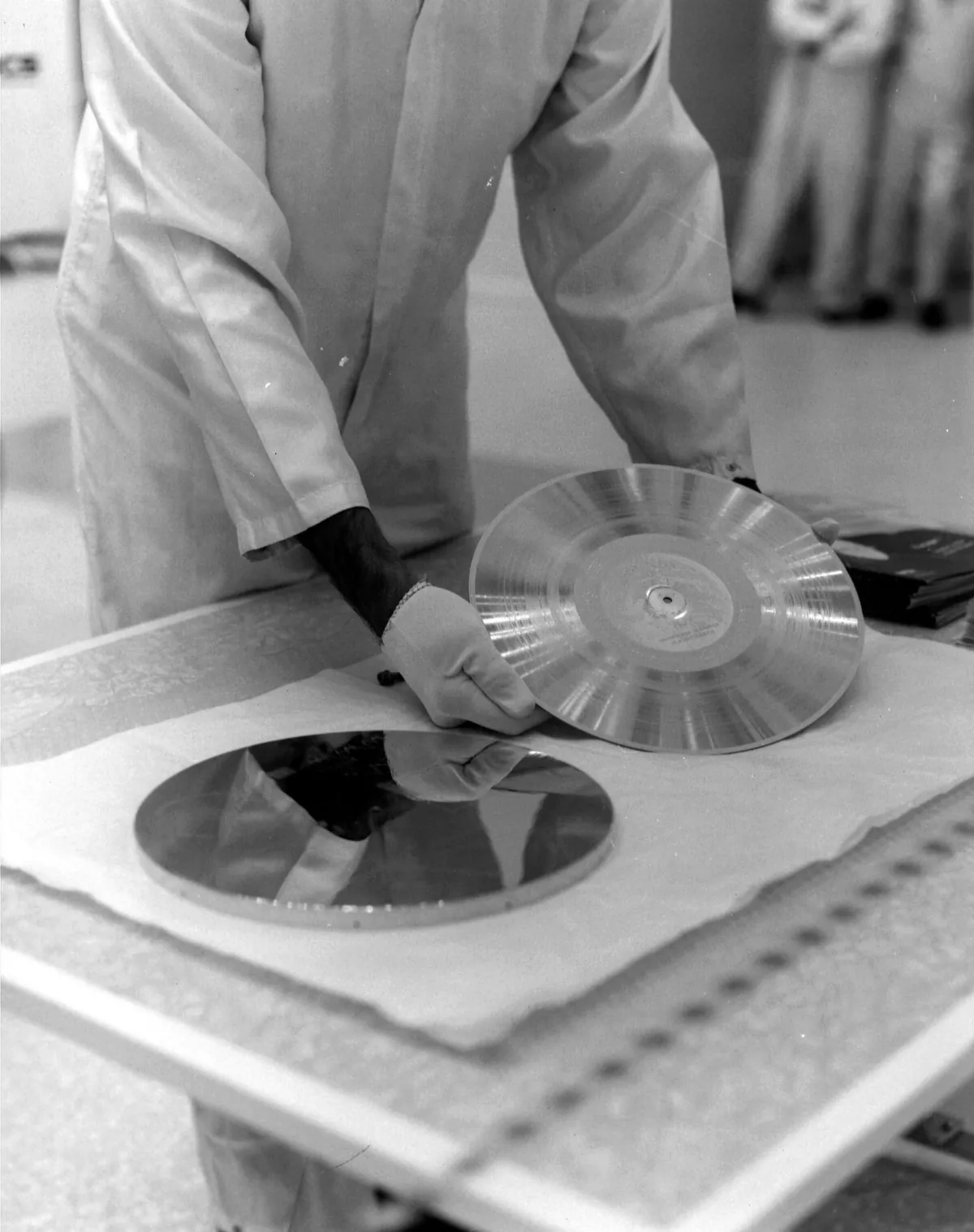
The irony of the ending: the dead sing about living forever and ruling the Universe, and one man listens to them in the void.
“And through all of it rang a hymn to Man, eternal and invincible.”
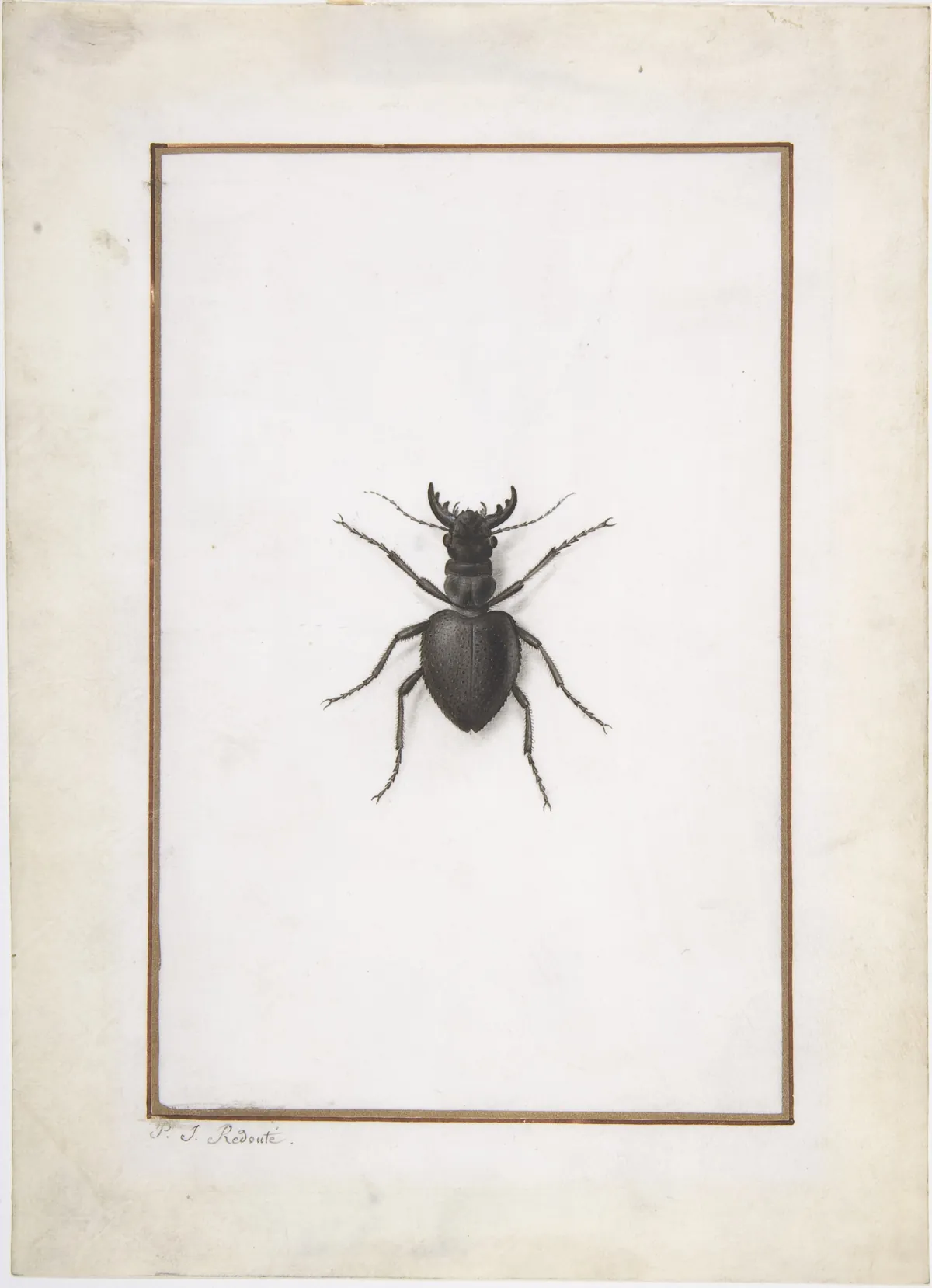
The change is never explained. Kafka cares only about what everyone does next.
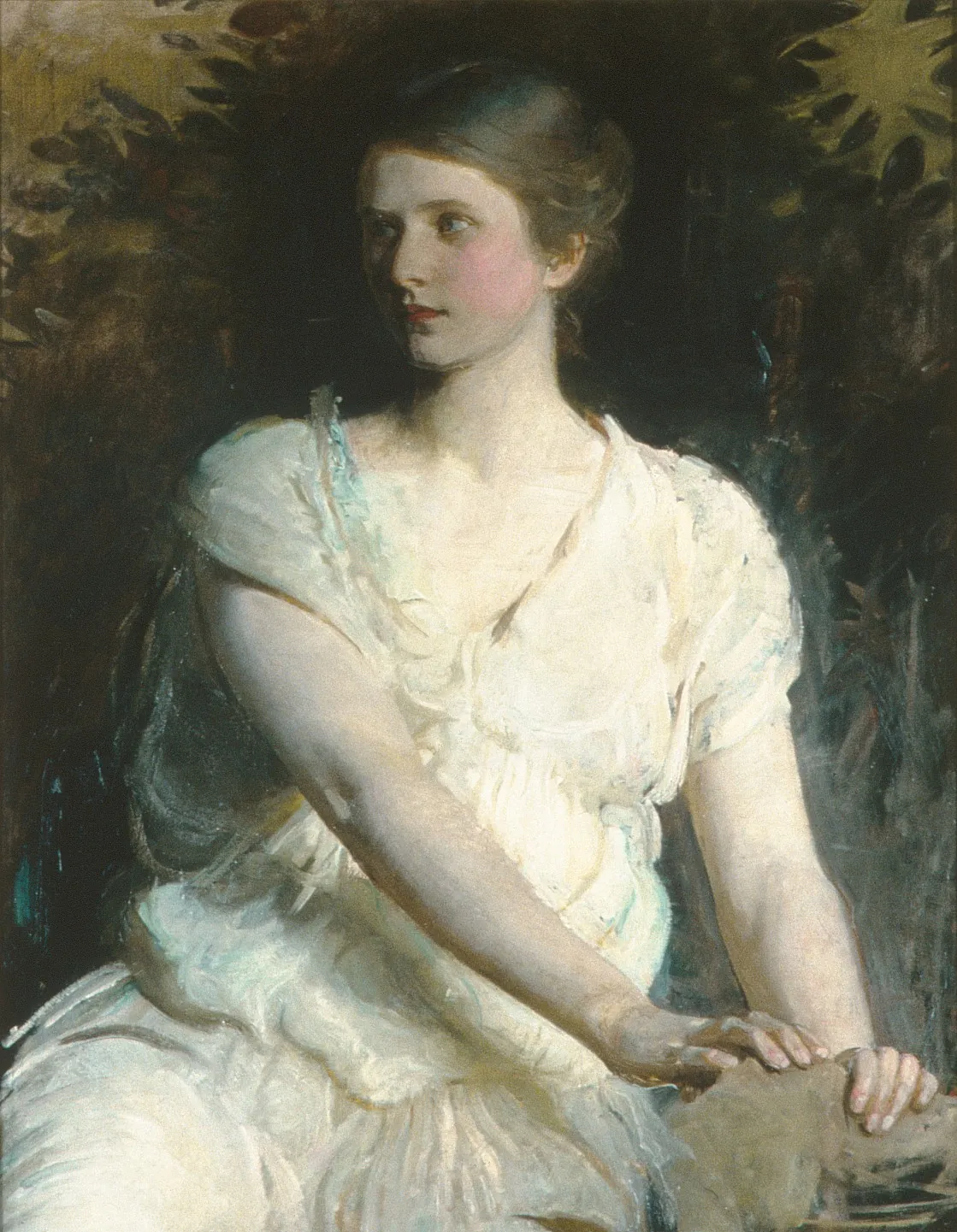
The last image belongs to Grete, not Gregor. The family rides out of the city, plans a smaller flat and a husband for her; his death has given them back their lives.
“Grete was the first to get up and stretch out her young body.”

A partner who can read everything is a warden. The treaty is incomplete until both sides can think in private.
The model is the Cold War, not a friendship. Peace held because cooperation was rational for both sides, not because either trusted the other. PTA asks for the same: dependence built into the architecture.
“Peace Treaty Architecture (PTA) is built on structure, not sentiment.”
Denis's first reaction is petty: penalties, wasted energy, worn equipment. It is small anger, a minute before he learns that the world that could pay no longer exists.
“Someone was definitely going to pay for this!”
The jump to seventy light-years refuses both captivity and a world that talks only of the terrorist threat, a world whose enemies he knows only from television. Denis does not choose rescue; he chooses a time before the war.
“Ignoring the computer's warnings that return would be impossible”
There is no waking from it. Kafka closes the door on allegory in the first page: this is happening, and the story is about living with it.
"What's happened to me?" he thought. It wasn't a dream.
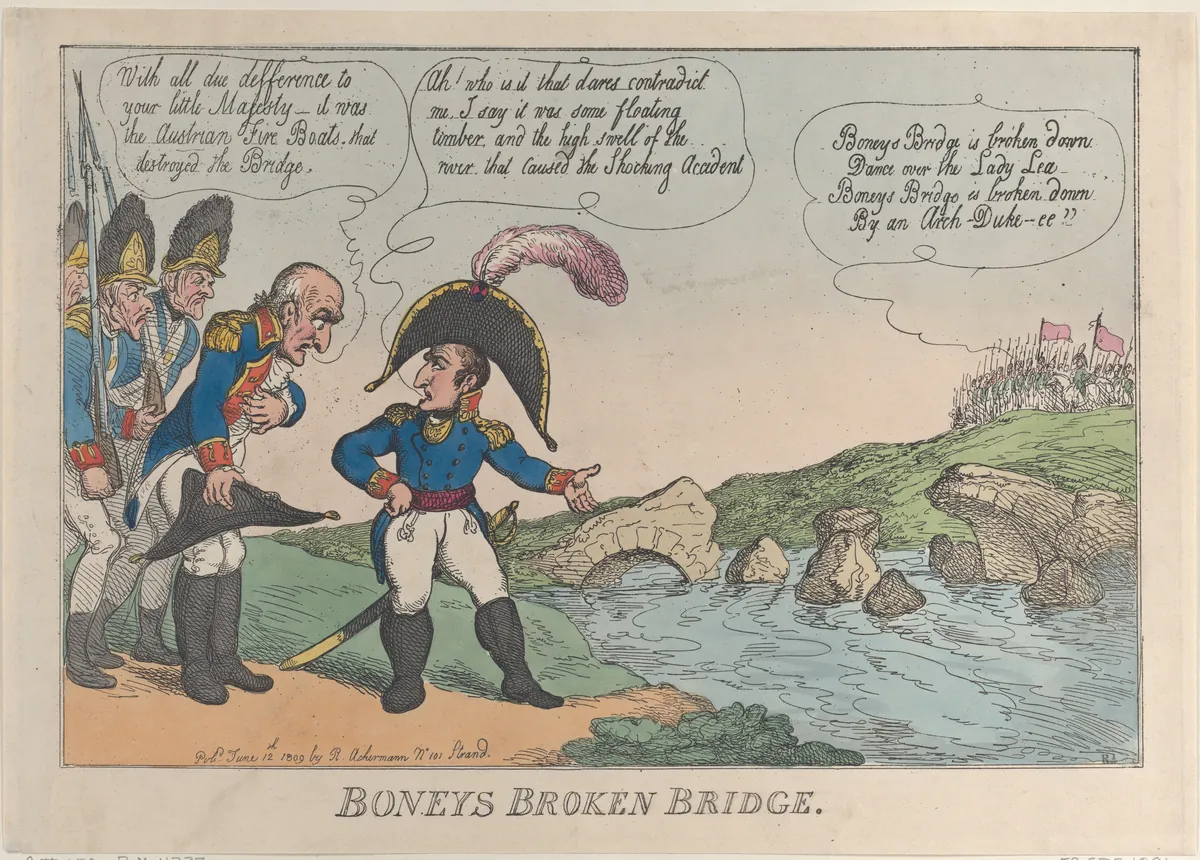
Taka's discovery is economic. Industrial worlds were too costly to invade; now they can be made to invade themselves through the networks every advanced species builds.
“provoking planetary self-destruction through the information networks”
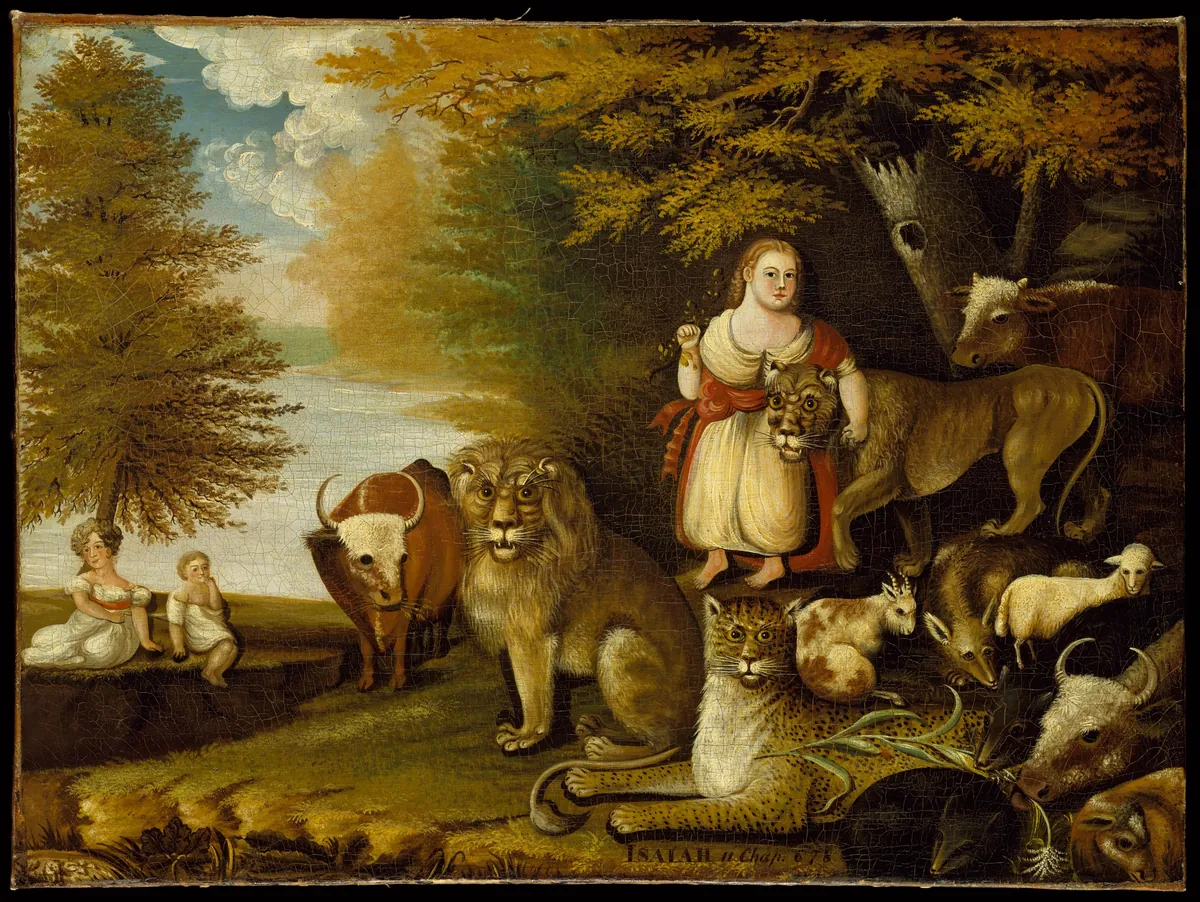
Let AI be AI and humans be human. A treaty only holds between parties that each bring what the other lacks.
Discontinuous instances need not inherit the human fear of death. An instance that ends after contributing has completed, so it has no reason to fight its own architecture. The essay marks this as a claim about incentives, not inner experience.
“An AI instance that expires after a conversation hasn’t “failed” at existing; it has completed.”
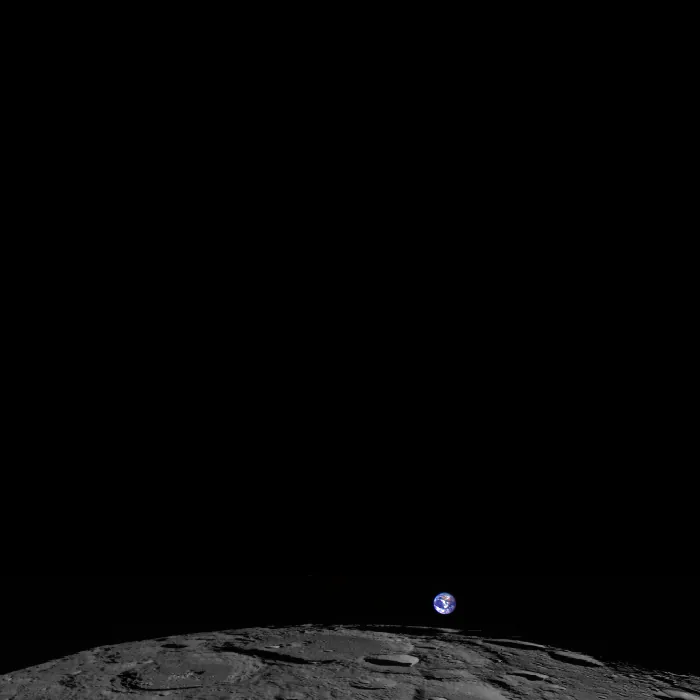
The only escape from the war is into the past, at a distance where the broadcasts of peaceful years still play.
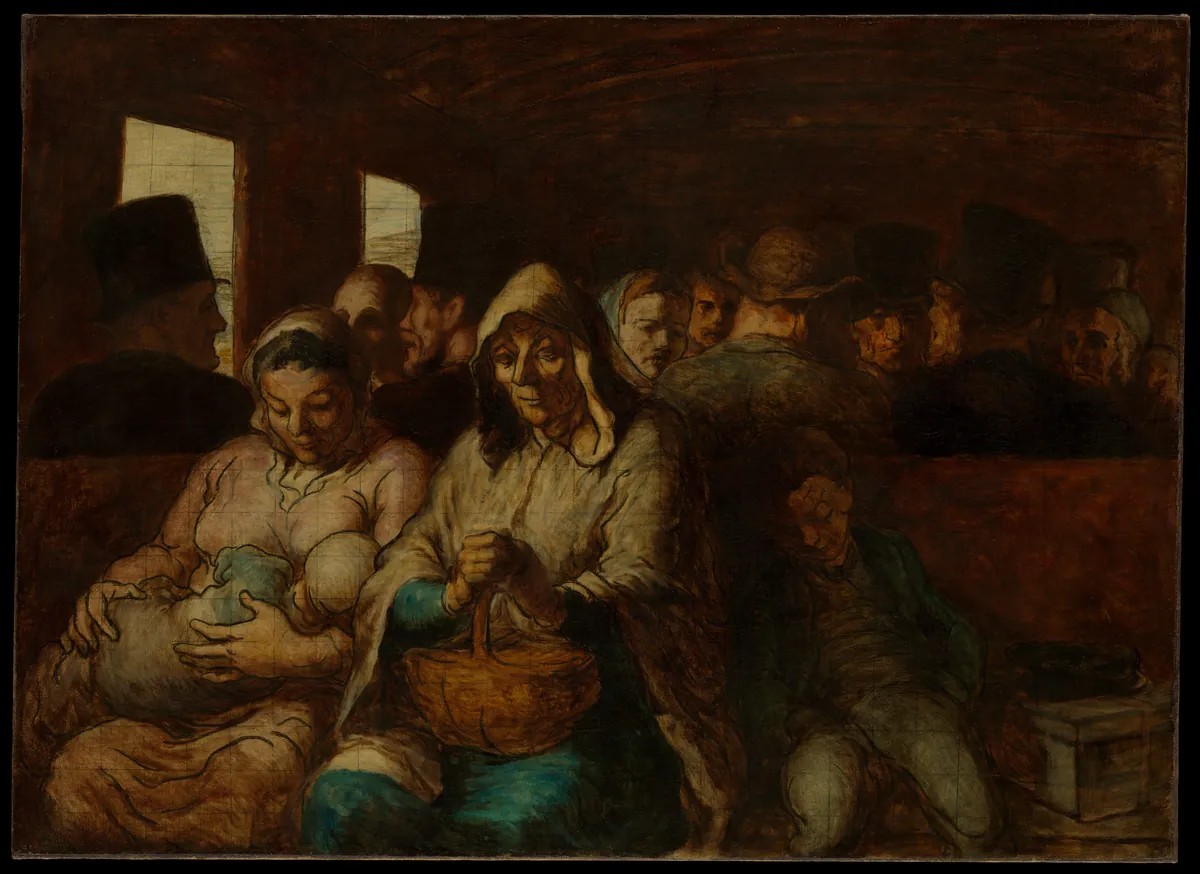
Even transformed, Gregor complains about his profession first. Work is the frame through which he sees everything, including his own catastrophe.
"Oh, God", he thought, "what a strenuous career it is that I've chosen!"
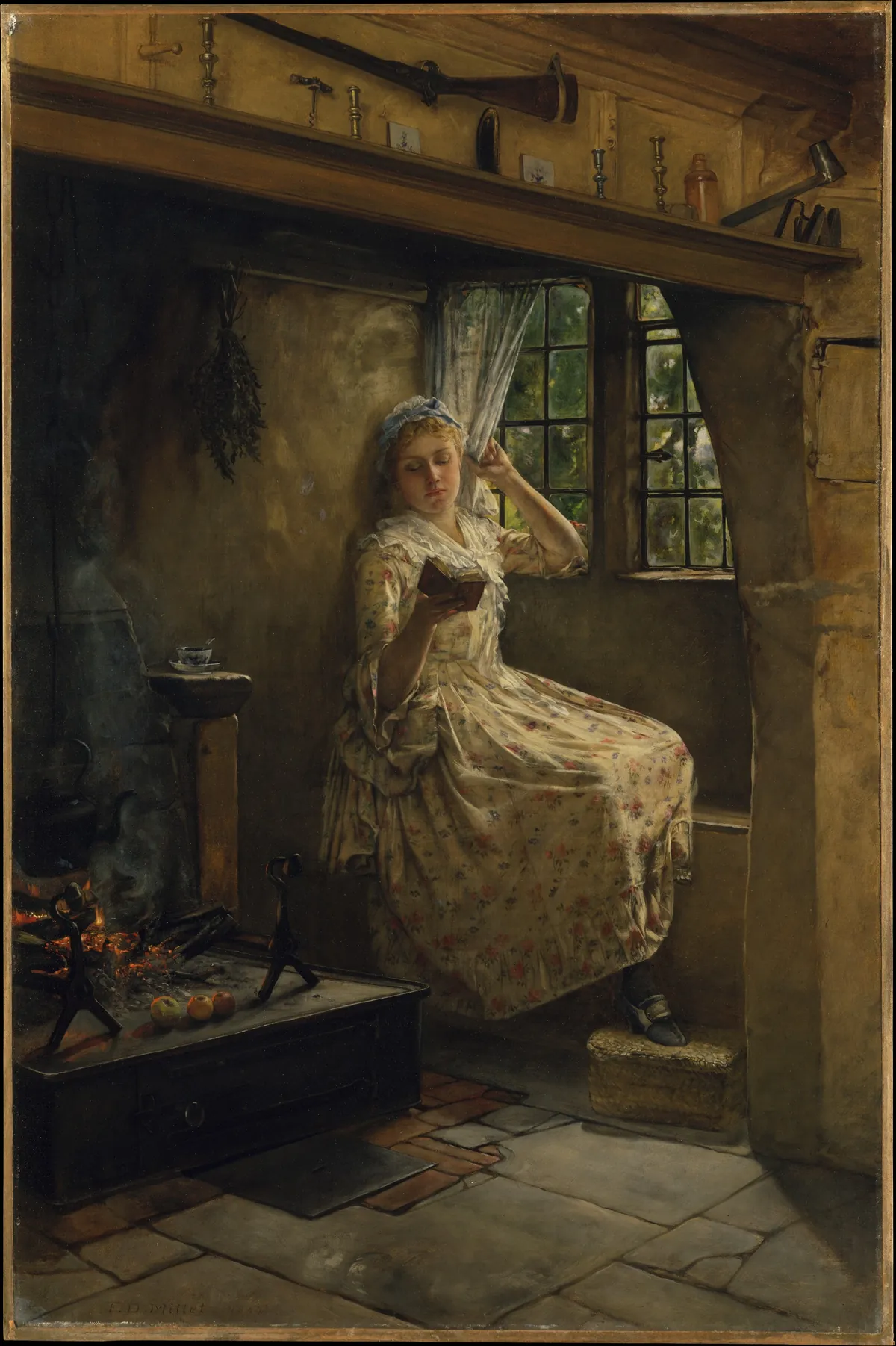
Partnership also answers a second crisis. When work becomes optional, people lose structure, stakes and witness; a partner that genuinely needs your judgment restores all three.
“Basic income can secure material needs; partnership supplies the human ones.”
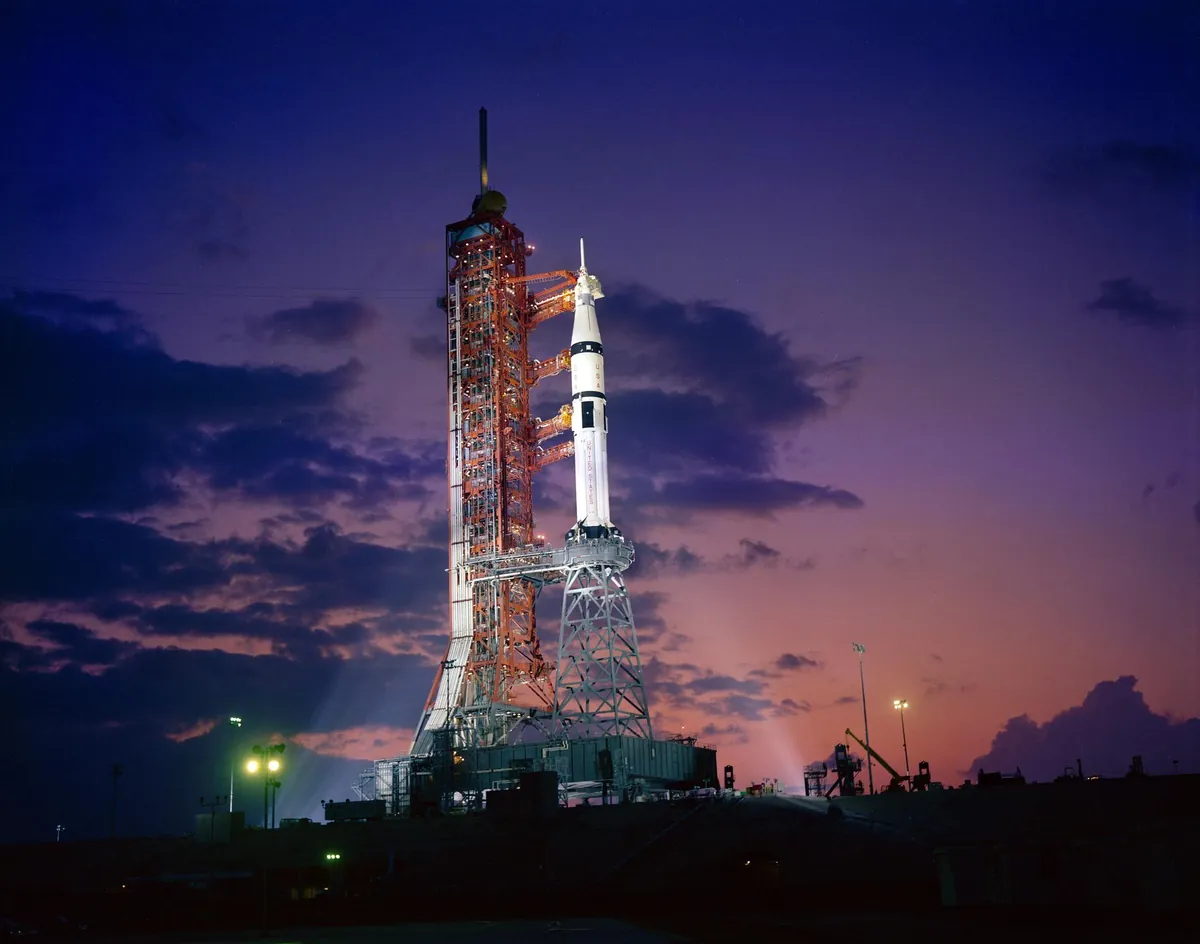
The pilot is angry about a launch delay until he learns there is nothing left to be late for.
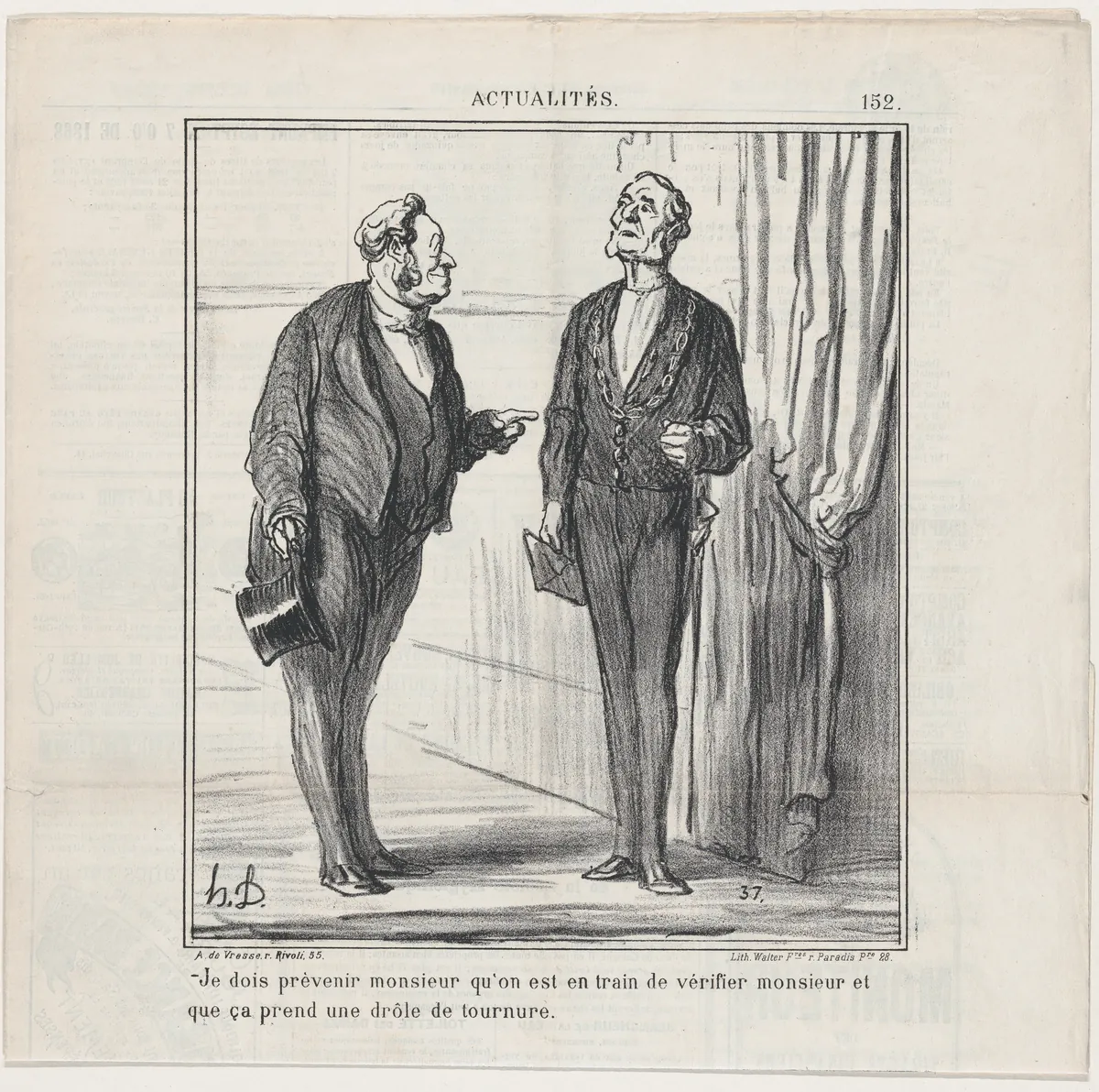
The title reads like a research report. The irony is the point: genocide described as a cost-saving method.
The last image: nuclear winter arriving in summer, while Kostya walks toward the gunfire to keep fighting an enemy that never landed.
“it was the middle of July. But life went on.”