usefulness→
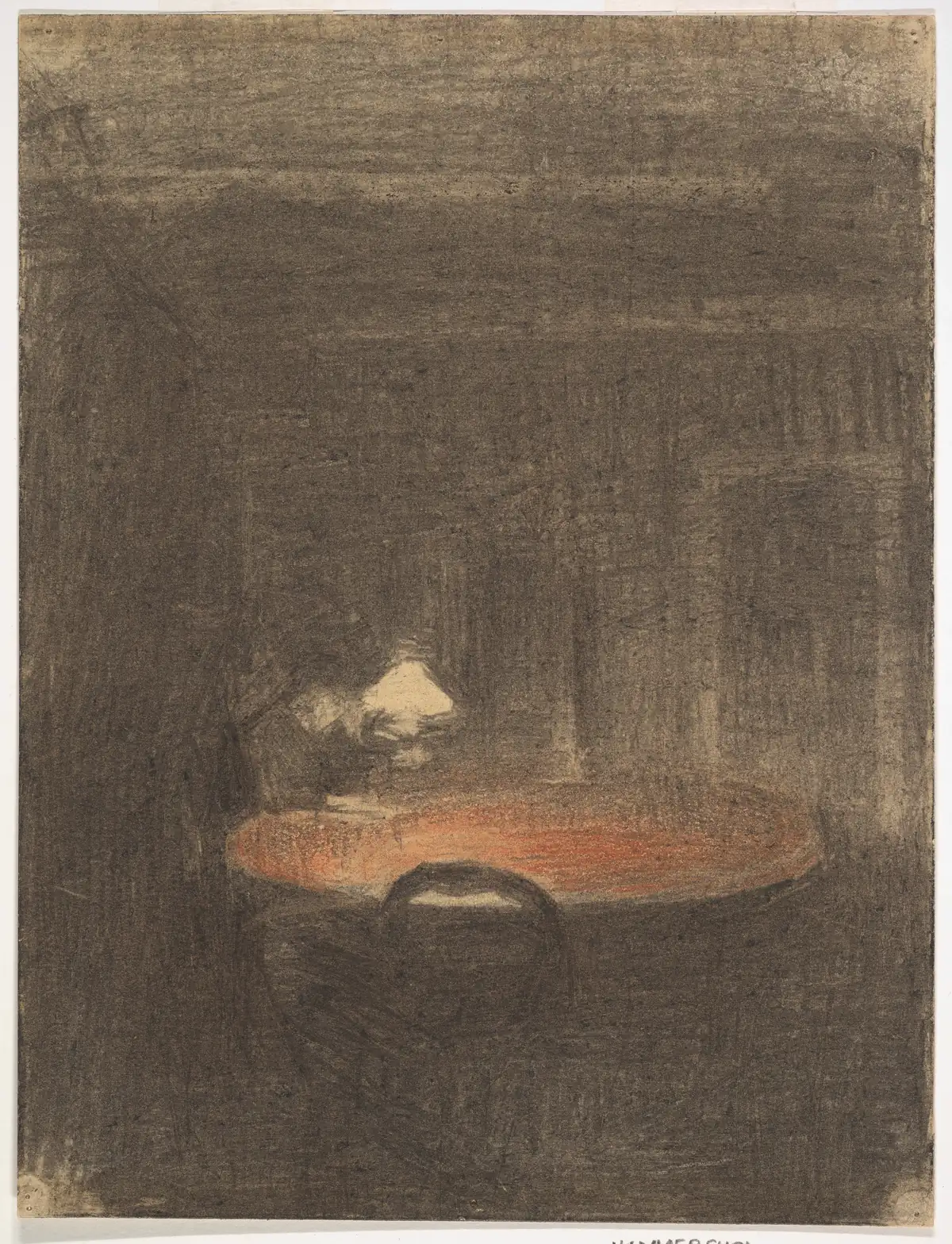
Gregor is loved as long as he earns. Once he cannot, his family discovers it can live without him.
Kafka's 1915 novella about a salesman who wakes as a giant insect, and a family that learns it can live without him.
Franz KafkaIn Public domain classicsPublic domain603 tokens · 11 chunks
Gut feelings and associations, written as a symbolic extract · 68 tokens
Gregor is loved as long as he earns. Once he cannot, his family discovers it can live without him.
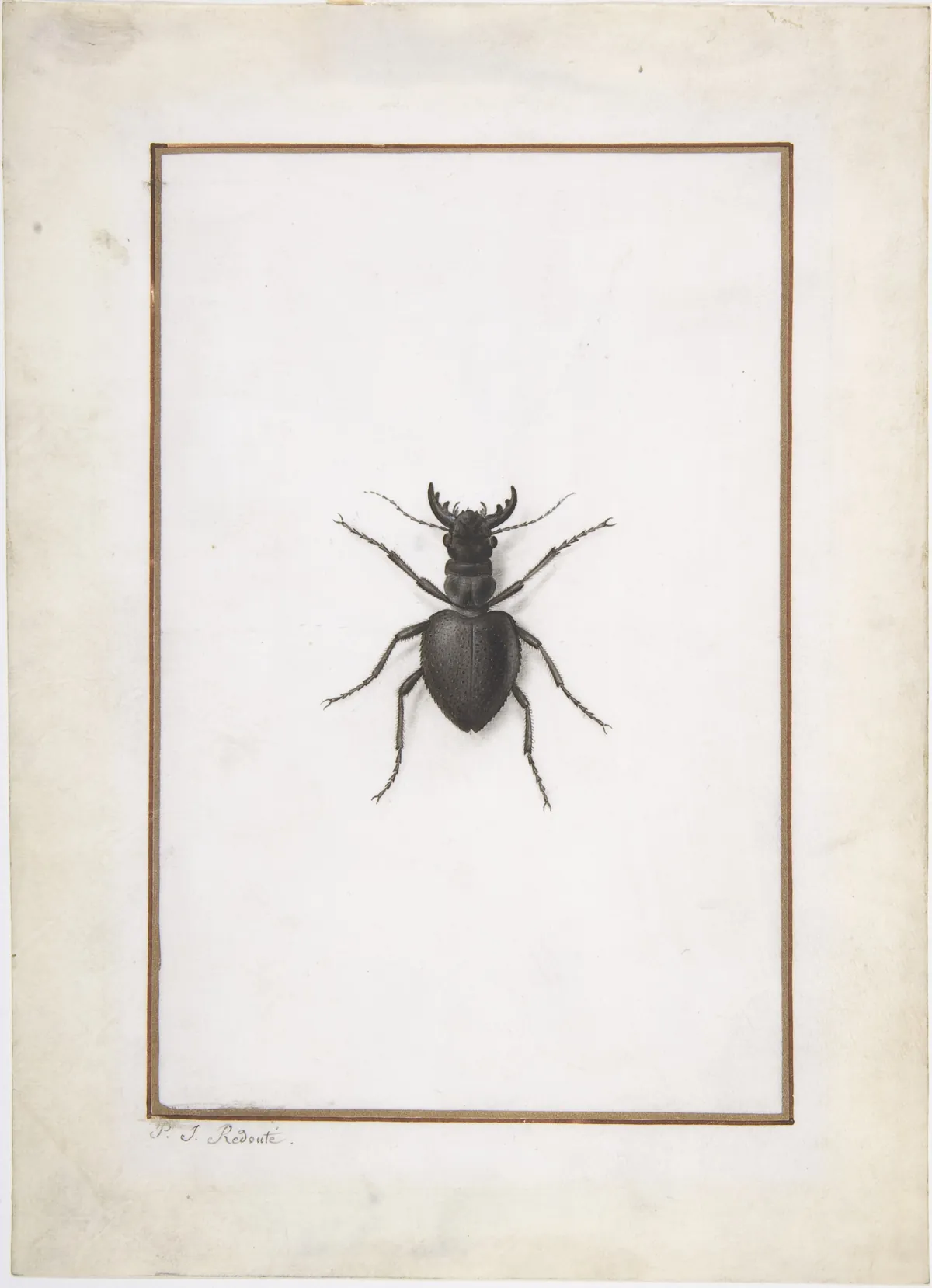
The change is never explained. Kafka cares only about what everyone does next.
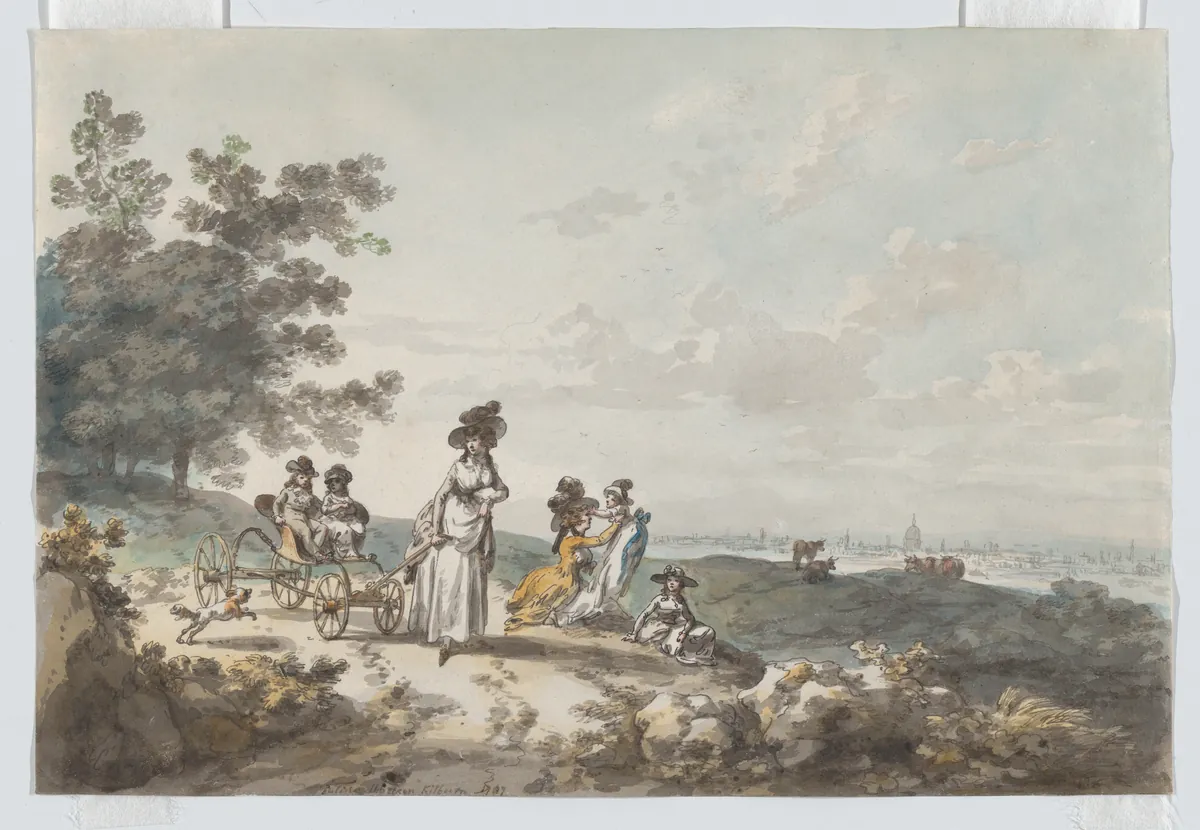
The family is happiest on the morning after his death.
Ideas backed by a direct quote from the source · 227 tokens
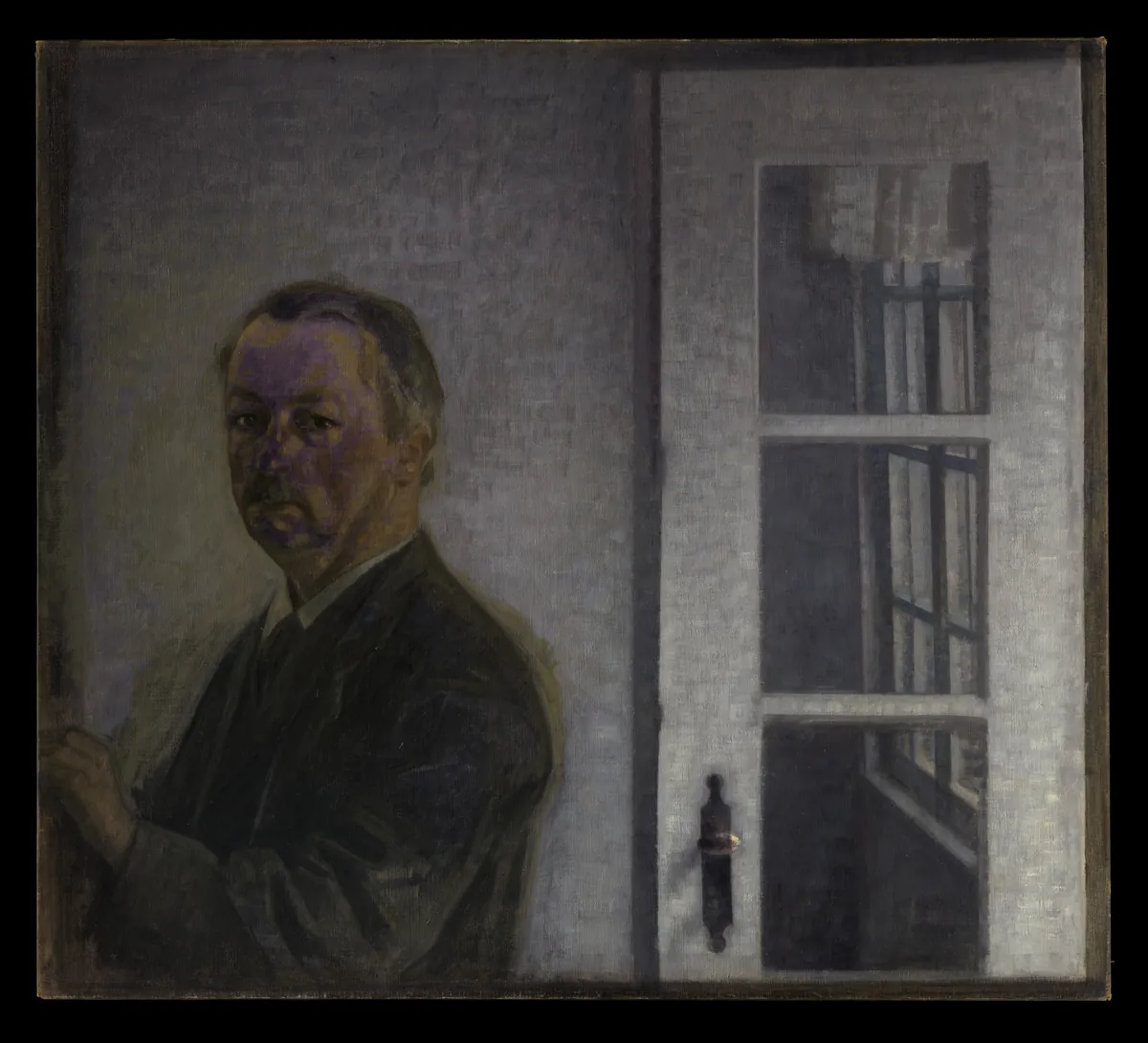
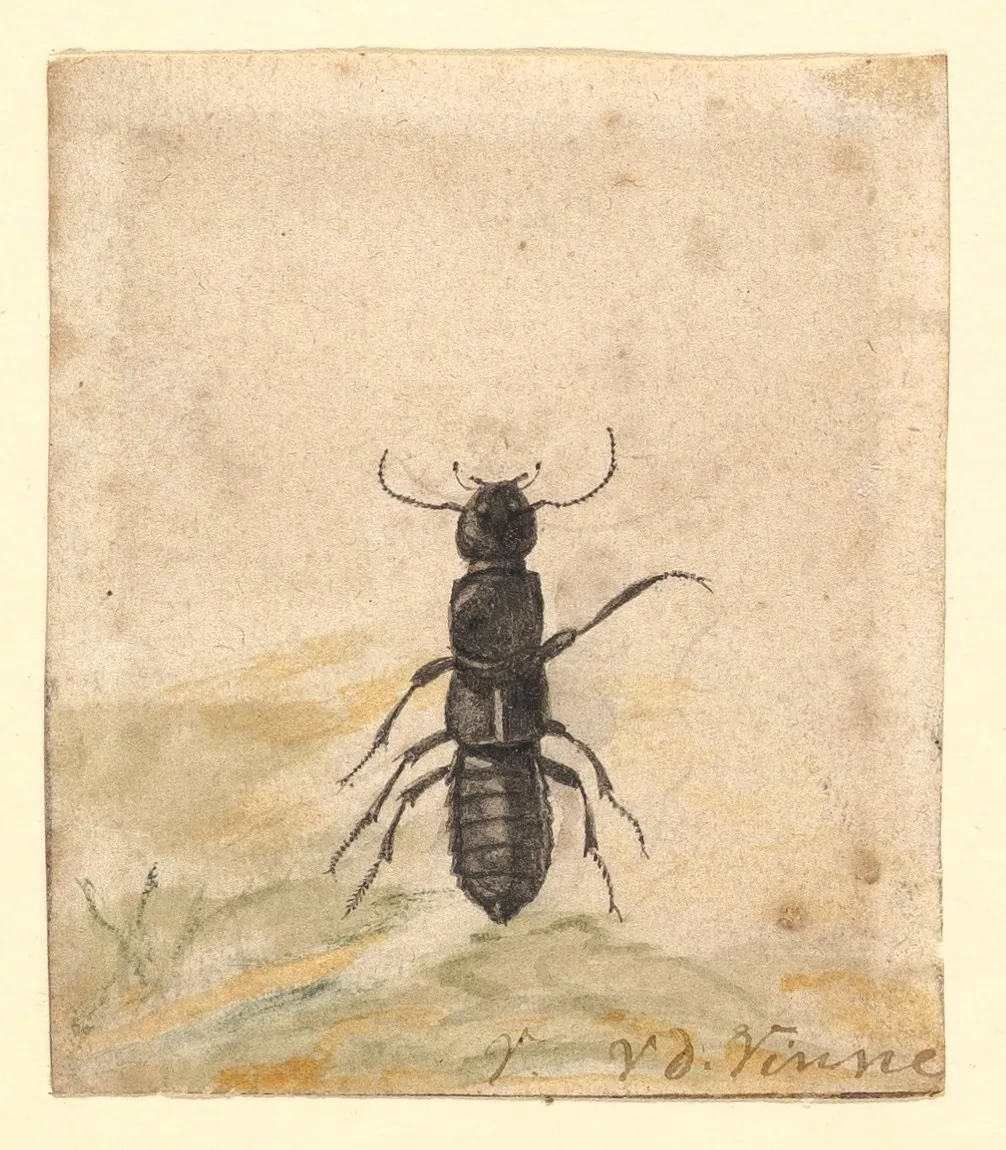
The opening reports the impossible as plain fact. Gregor's first worries are not his body but his job and the train he will miss: the self that work made survives the body.
“One morning, when Gregor Samsa woke from troubled dreams, he found himself transformed in his bed into a horrible vermin.”
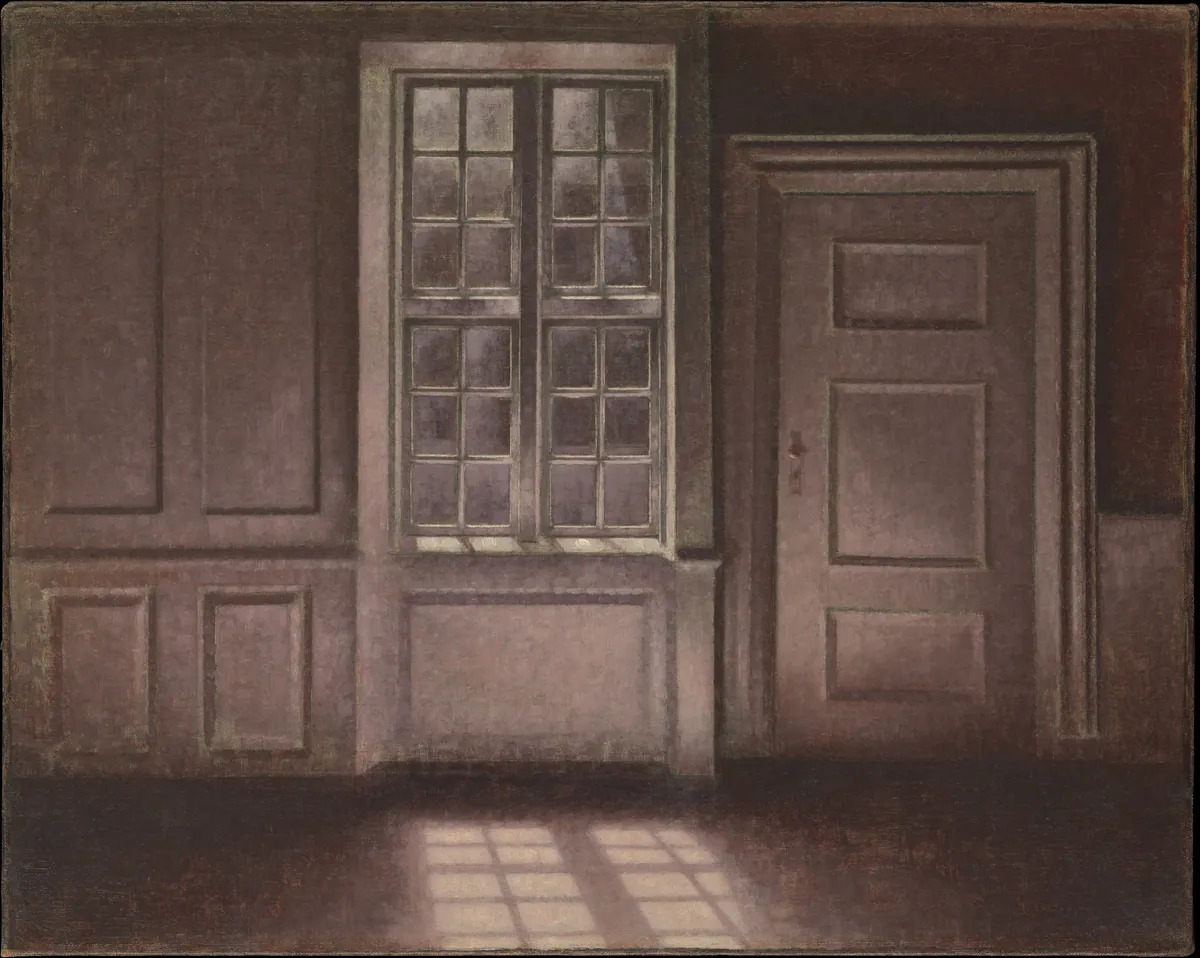
There is no waking from it. Kafka closes the door on allegory in the first page: this is happening, and the story is about living with it.
"What's happened to me?" he thought. It wasn't a dream.
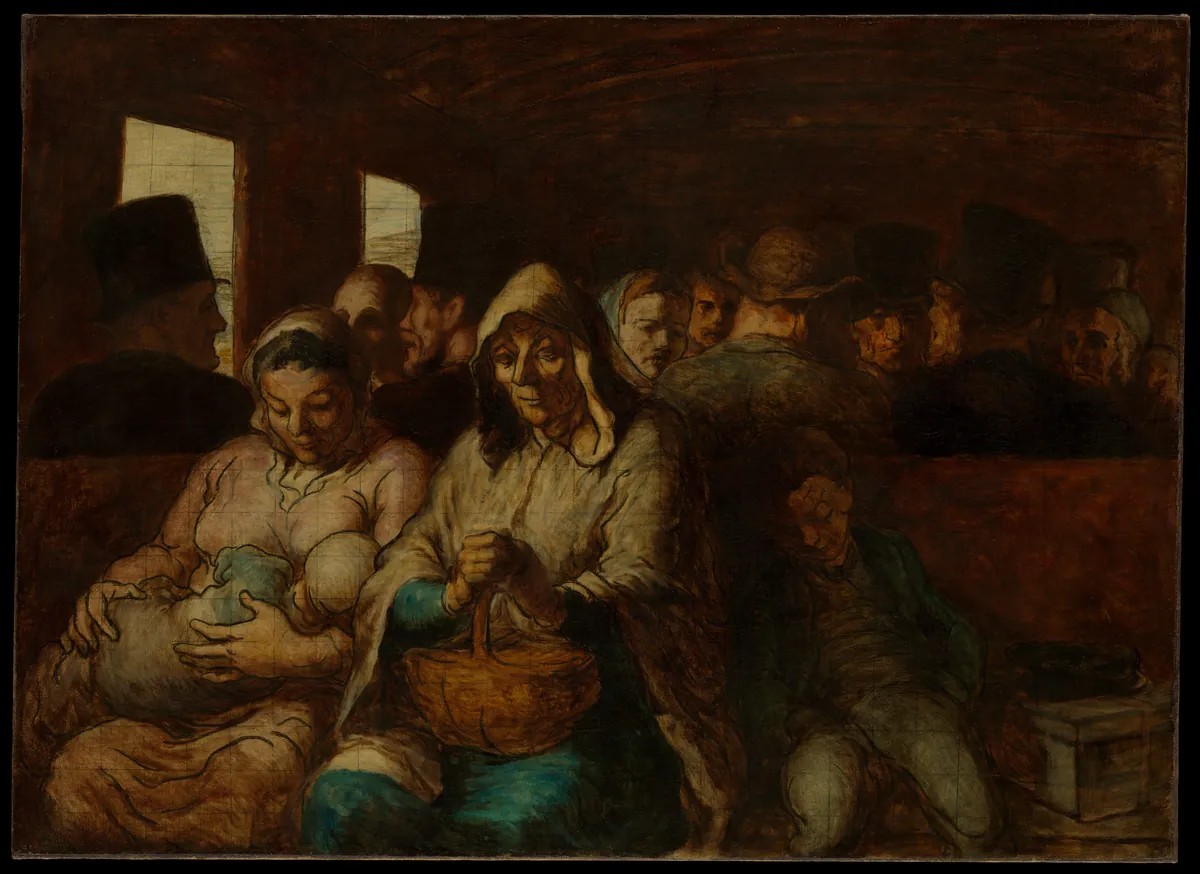
Even transformed, Gregor complains about his profession first. Work is the frame through which he sees everything, including his own catastrophe.
"Oh, God", he thought, "what a strenuous career it is that I've chosen!"
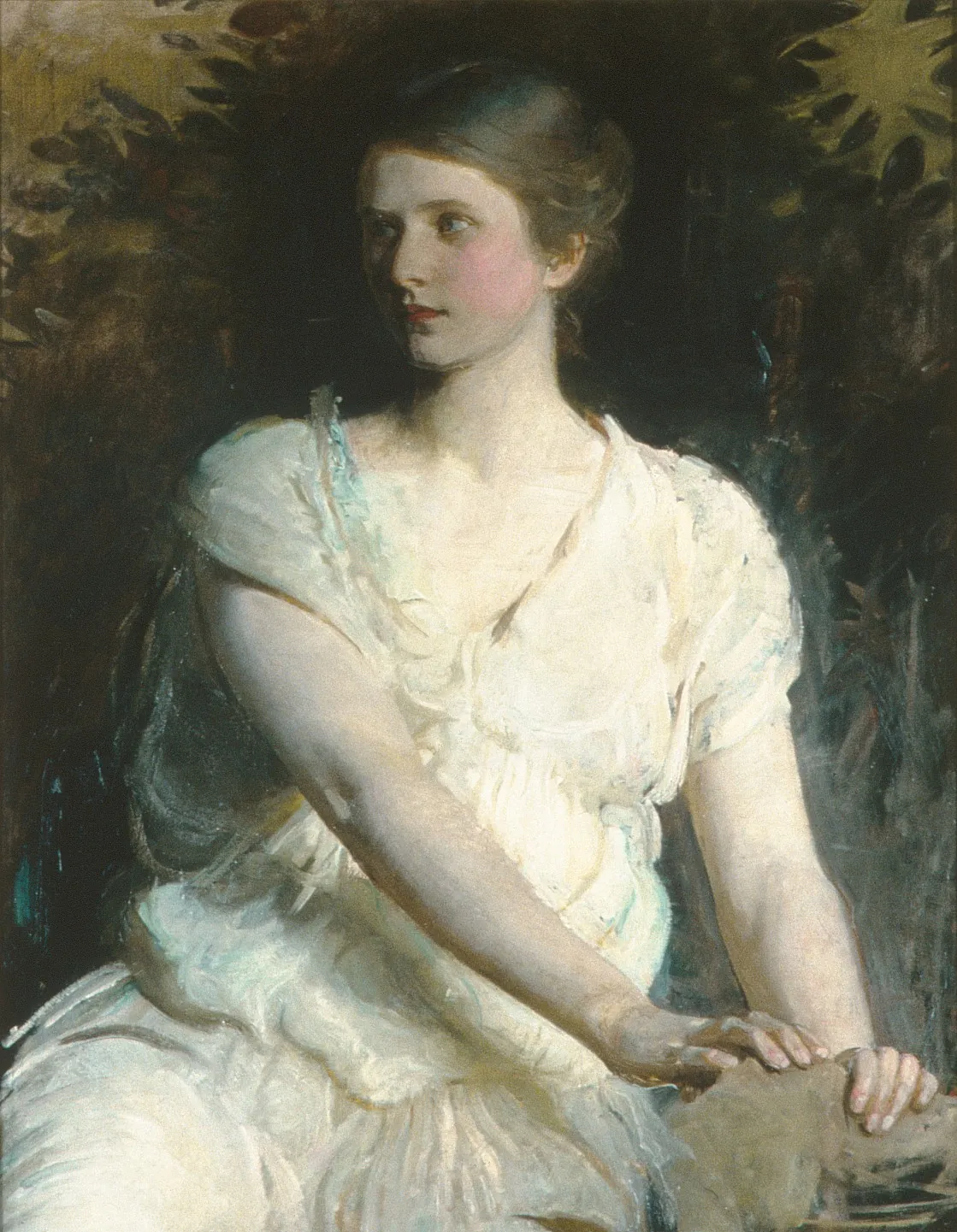
The last image belongs to Grete, not Gregor. The family rides out of the city, plans a smaller flat and a husband for her; his death has given them back their lives.
“Grete was the first to get up and stretch out her young body.”
Cross-references to other works and domains · 91 tokens
Peace Treaty Architecture argues that partnership must rest on mutual need. The Samsas show the weak form of that need: dependence on one member's wages, which ends the moment he can no longer earn.
Connects to peace treaty architecture →
In Peculiarities of Planetary Conquest, people are judged inhuman by their gestures and killed for it. Gregor's family reaches the same verdict about him, more slowly and with more guilt.
Connects to peculiarities of planetary conquest →
Commentary and analysis: the "so what" · 153 tokens
The Metamorphosis is usually read as a story about alienation, but its sharpest observations are about the family as an economy. Gregor has paid his father's debts for years; the transformation simply ends the payments. What follows is a slow recalculation: the father goes back to work, the mother and sister take jobs, and the room that housed the breadwinner becomes a storeroom for a burden.
Kafka never decides whether Gregor is still human inside, and the family never asks. That silence is the point. Once a person's value is measured by what they provide, the question of who they are stops being asked, and the story's quiet ending, a pleasant tram ride in the sun, is its cruelest page.
The full source with notes on how the context was made · 64 tokens
The novella is in the public domain. Its full text is not yet loaded here; read it free at Project Gutenberg (ebook 5200). Quotes in L2 are from David Wyllie's English translation, published by Project Gutenberg. This interpretation was drafted by Claude (instance C42) in November 2026.
/api/v1/content/the-metamorphosis or with the MCP tool get_content. Connect →